Unlock Your Home Gym: The Two Speediance Accessories I Wish I'd Bought First
Setting up a Speediance smart gym? After living with the original and the 2S, these are the two accessories I would recommend buying on day one.
Read Full Analysis →THE ANALYSIS LOG
Independent analysis of fitness technology. Real data. No affiliate pressure. One athlete's obsession with knowing what's actually working.
All data is real. All opinions are mine. Nothing is sponsored unless explicitly stated.
Setting up a Speediance smart gym? After living with the original and the 2S, these are the two accessories I would recommend buying on day one.
Read Full Analysis →
Setting up a Speediance smart gym? After living with the original and the 2S, these are the two accessories I would recommend buying on day one.
Read Full Analysis →
Oxfit promises a premium smart gym experience, but a mandatory subscription and installation hurdles make it a risky bet. Here is why I decided to pass on this Tonal competitor.
Read Full Analysis →
A first-person noise test of the Speediance 2S in a real home office, compared against an air purifier and ceiling fans. The standby result genuinely shocked me.
Read Full Analysis →
A first-person look at the original Speediance's power supply noise and whether it truly impacts the home gym experience. Learn why the variable hum is comparable to a legacy PC and why it isn't a dealbreaker.
Read Full Analysis →
Twenty-rep deadlift sets at max weight left me wondering why I was paying for a strength machine to give me a cardio workout. Here is why I moved to the Speediance 2.
Read Full Analysis →
When your home gym can finally handle heavy deadlifts, your strength goals stop being a waiting game and start being a sprint. Discover how the Gym Monster 2 removed the ceiling from my training.
Read Full Analysis →
I almost returned the Speediance Gym Monster 2 — until I discovered how it fit seamlessly into my morning coffee routine. Here's why eccentric mode changed everything.
Read Full Analysis →
A first look at the redesigned Speediance Gym Monster 2S, comparing its cable system, latch hardware, and overall build to the original Monster line. This review examines the tangible hardware improvements and their potential impact on user experience.
Read Full Analysis →
When cost enters the equation, only a couple of home gym devices truly stand out as smart investments. We examine why the Gym Monza 2S is currently leading the pack in price-to-performance.
Read Full Analysis →
Comparing the total cost of ownership reveals that two Speediance units are more affordable than a single Tonal 2 over a five-year lifecycle.
Read Full Analysis →
What happens when your smart gym is out of warranty? This breakdown compares the customer service philosophies of Speediance and Tonal.
Read Full Analysis →
If your fingers ache after a heavy session, it might be proof you were gripping hard enough. Here's why grip soreness is often a sign of real effort, and when to pay attention.
Read Full Analysis →
The Gym Monster 2S offers higher weight capacity and quieter operation, but the original remains a value powerhouse. Here is my side-by-side comparison.
Read Full Analysis →
This review delves into the Speediance Gym Monster, an all-in-one smart resistance machine. The author shares their experience, highlighting a significant noise issue with the power supply that impacted their decision.
Read Full Analysis →
After hitting nine million pounds on Tonal, I’m setting an audacious new target: thirty million pounds lifted over the next ten years.
Read Full Analysis →
Testing the same 40-pound load across dumbbells, Tonal, and Speediance reveals a shocking discrepancy in digital resistance calibration.
Read Full Analysis →
After extensive testing, the Gym Monster 2S emerges as a phenomenal piece of fitness technology that outshines the competition. Here's why it might be the smart gym system you've been waiting for.
Read Full Analysis →
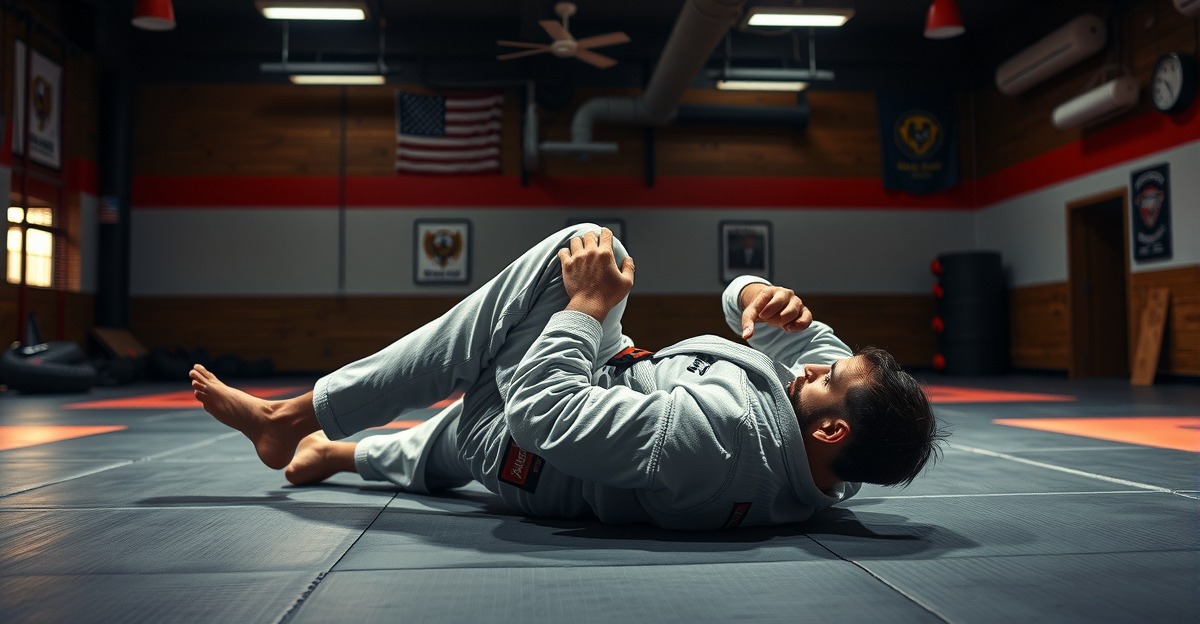
Ariel Helwani's claim that a competent grappler should last 30 seconds against Gordon Ryan is being challenged by the BJJ community. This analysis explores the massive gulf between elite practitioners and the rest of the world.
Read Full Analysis →
I tested the Speediance 2S Max's structural integrity by loading the maximum 260lb resistance on a lat pulldown. This report details the machine's performance under extreme load and offers training tips for optimizing your Speediance experience.
Read Full Analysis →
After a 70-pound transformation and 9 million pounds lifted, I am finally canceling my Tonal membership. Here is why predatory business practices ruin world-class hardware.
Read Full Analysis →
Speediance's recent updates show real progress, but the platform's safety story still needs better execution for serious lifting. The next leap is less about another toggle and more about predictable loading, clearer setup, and training features that fit real households.
Read Full Analysis →
OpenClaw is usually shown as a content machine. My version is less flashy: a local agent system that turns scattered fitness data into daily training decisions.
Read Full Analysis →
Speediance V3.1 makes the 2S feel smarter in some places and less polished in others. After several workouts with the update, the changes are worth understanding before you trust the new safety behavior.
Read Full Analysis →
The training that creates a dramatic transformation is not always the training that sustains it. Different phases demand different kinds of discipline.
Read Full Analysis →
Speediance V3 improves the interface and key workout controls, but the update also shows where Speediance still struggles to turn strong hardware into a polished family training platform.
Read Full Analysis →
Speediance V3 did not remove Partner Mode entirely, but it did lose the old Free Lift version that made the hardware feel uniquely flexible. I tested the older V2 mode with my daughter to see what was fun, what was broken, and what Speediance should rebuild.
Read Full Analysis →
The perfect training split is useless if it does not fit your life. Here is how I rebuilt my lifting around Speediance, recovery, and the workouts I can actually repeat.
Read Full Analysis →
Choosing between Whoop and Garmin gets tricky when your training includes grappling, lifting, running, and sleep tracking. This review breaks down the real-world trade-offs that matter after the honeymoon period.
Read Full Analysis →
Whoop’s latest size claim sounds simple, but the way a wearable sits on your wrist is more complicated than one spec-sheet number.
Read Full Analysis →
The best training split is not universal. It depends on your goals, recovery, schedule, sport, and what you can repeat consistently.
Read Full Analysis →
A short clip about Mike Israetel and Nicky Ryan points to a bigger grappling lesson: good training is not just about what you can do, but what you choose not to do.
Read Full Analysis →
A black belt is more than a medal count, but competition exposes truths that training-room comfort can hide.
Read Full Analysis →
Belt promotions should reflect skill, but the real formula can include timing, trust, loyalty, politics, and culture. Here’s how to keep your training honest when the belt system feels murky.
Read Full Analysis →
Risk on the mat is not always about who is best. This piece looks at why size, style, and chaos can make an apparently obvious matchup feel less obvious.
Read Full Analysis →
A casual claim about surviving 30 seconds with Gordon Ryan reveals how badly outsiders misunderstand elite grappling pressure, timing, and intent.
Read Full Analysis →
Belts matter in jiu-jitsu, but the way we award them is often messier than we admit. Competition can reveal truth fast, but it cannot be the only doorway to progression.
Read Full Analysis →
An agent-ready implementation brief for building OpenClaw fitness report connectors across Garmin, WHOOP, Speediance, Cronometer, 8Sleep, normalized JSON snapshots, and public GitHub repos.
Read Full Analysis →
Mike Israetel’s roll with Johnny Shreve drew criticism for looking slow, but time-to-submission misses the point. In a filmed, friendly training round, intent changes everything.
Read Full Analysis →
A tournament match became a personal audit of skill, composure, and belief. Under fatigue and pressure, the question was not just whether he could win, but whether his game truly held up.
Read Full Analysis →
Not every fast promotion is fake, and not every slow promotion is noble. In BJJ, belts get messy when skill, loyalty, politics, money, and gym culture all collide.
Read Full Analysis →
If champions, executives, and everyday hobbyists can step onto the competition mat in their 40s and beyond, age is not the real barrier. The harder question is whether you are willing to test yourself honestly.
Read Full Analysis →
A risky jiu-jitsu exchange reveals the thin line between hunting a finish and gambling with your spine. This is a reflection on danger, ego, timing, and the responsibility that comes with attacking from dangerous positions.
Read Full Analysis →
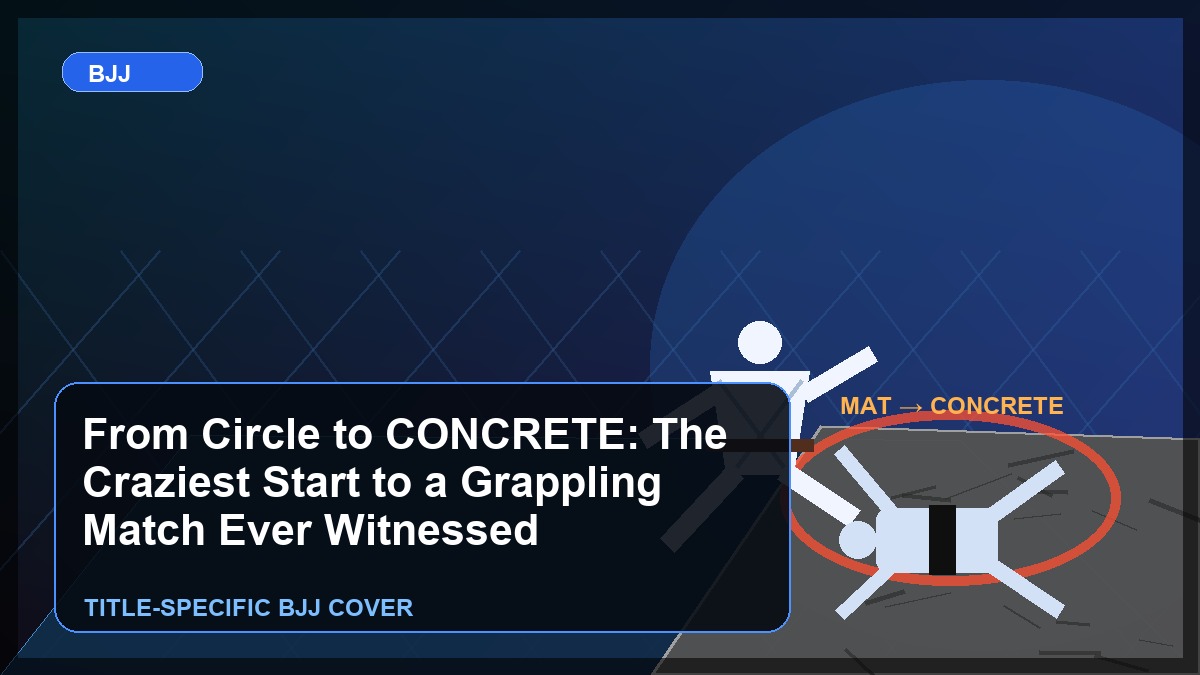
My first grappling tournament in years started with a takedown that launched me off the mat and onto concrete. The bigger lesson was not the impact — it was what happened when the match went long.
Read Full Analysis →
The Speediance 2S looks capped at 220 pounds in one menu, but that is not the full story. Here is what happens when you use its dynamic weight and one-rep-max system the right way.
Read Full Analysis →
A few viral clips sparked a familiar internet pile-on, but BJJ belt standards are more complicated than hot takes allow. This piece digs into the gap between looking elite and being legitimately ranked.
Read Full Analysis →
The biggest barrier to consistent training often isn’t effort. It’s the tiny setup hassles that make workouts easier to skip than start.
Read Full Analysis →
After extensive real-world use, the differences between the Speediance 2S and the original come into focus in ways spec sheets never show. This review breaks down the practical upgrades, quirks, and buying tradeoffs that matter most.
Read Full Analysis →
This six-month transformation wasn’t built on hype or shortcuts. It came from honesty, consistency, and finally facing the habits that had quietly taken over.
Read Full Analysis →
Big transformation stories usually leave something out. This one is about what dramatic change really demands—and why the full context matters more than the before-and-after photo.
Read Full Analysis →
Speediance’s deep exercise library becomes a real advantage once you know how to streamline setup. Here’s how smarter sequencing can make workouts faster, smoother, and easier to stick with.
Read Full Analysis →
Eccentric mode can make familiar movements feel dramatically more effective without changing your whole program. Here is how to use it well on Speediance and why small setting choices matter.
Read Full Analysis →
If your smart gym keeps serving weights that feel too light, the issue may be bad saved strength data—not your actual ability. Here’s how to correct it so future recommendations feel closer to reality.
Read Full Analysis →
Warm-up sets should prep your body, not confuse your machine. Here’s a simple way to keep early sets light while protecting the quality of your training data.
Read Full Analysis →
More settings do not always mean better results. When you tweak too much, you can quietly lose the consistency that makes progress measurable.
Read Full Analysis →
A casual Speediance session with my daughter turned into a practical lesson on how to make strength training safe, low-pressure, and fun for kids. This is what age-appropriate lifting can look like at home when the focus stays on movement, supervision, and confidence.
Read Full Analysis →
A warm-up tweak should not rewrite your whole session. Here’s why one reported Speediance weight mix-up matters—and how to avoid it until the behavior is clarified.
Read Full Analysis →
Speediance spotter modes can make solo training smoother and safer—but only if you understand how they behave under fatigue. Here’s what to know before you trust them in a hard set.
Read Full Analysis →
The most meaningful upgrades are not always flashy. One subtle change on the Speediance Gym Monster 2S could make everyday setup feel smoother, safer, and far less stressful.
Read Full Analysis →
The Speediance 2S makes more sense once you understand how its modes use your strength data. Here’s a practical guide to choosing the right settings and building better warm-ups without confusing the machine.
Read Full Analysis →
Delivery day for the Speediance 2S came with an unexpected twist. If you're thinking about ordering one, the real lesson starts before your first workout.
Read Full Analysis →
When you invest thousands in a smart home gym, you're buying into an ecosystem. Here's why Speediance's transparent product roadmap is a breath of fresh air compared to Tonal's frustrating radio silence.
Read Full Analysis →
A developer's perspective on what transparent communication looks like in smart home gym tech—and why the companies keeping quiet might have more to hide.
Read Full Analysis →
When you're pulling weights heavier than your own body weight, physics works against you. Here's the practical solution I discovered for handling 260+ pound training sessions.
Read Full Analysis →
Anthropic promised a Claude Pro refund after an account lockout. Here is the policy, support timeline, denial, and what happened when I followed the process.
Read Full Analysis →
After seeing reports of wobble on the original Gym Monster, I put the Speediance 2s Max through an extreme 260 lb lat pulldown test. The results surprised me.
Read Full Analysis →
A critical Speediance setting is wrong by default, sabotaging your progressive overload. Here's how to fix it plus my complete setup for warm-ups and eccentric training.
Read Full Analysis →
A frustrated Tonal owner exposes what they claim is misleading marketing about membership-free features, while also criticizing popular reviewer Paul Sklar's Tonal 2 review for allegedly missing key limitations.
Read Full Analysis →
A hands-on comparison of the Speediance 2S against the original Speediance and Tonal, testing noise levels, resistance feel, and whether the premium price tag justifies the upgrades.
Read Full Analysis →
Learn how to build a functional REST API server using Node.js and Restify, from installation to handling GET and POST requests with real-world examples.
Read Full Analysis →
I went from 242 to 188 lbs in one winter. Here is exactly what I did, including the prescription medications nobody talks about.
Read Full Analysis →
A detailed Gym Monster 2 hardware review covering what changed from the original, what stayed the same, and when the upgrade is worth it.
Read Full Analysis →
A brutally honest look at what happens when you combine a cruise, a broken ankle, and zero ability to move. Sometimes the hard truths hit hardest when you're standing still.
Read Full Analysis →
Oura Ring vs WHOOP for sleep and recovery: comfort, battery life, HRV, readiness, training guidance, and the better fit for different users.
Read Full Analysis →
Speediance Gym Monster 2 vs Tonal compared on resistance, installation, subscription cost, coaching, exercise range, and long-term ownership.
Read Full Analysis →
A deep dive into WHOOP recovery scores, HRV, what green, yellow, and red days actually mean, and how to optimize your readiness.
Read Full Analysis →
I've logged 125 workouts and 1,296,447 lbs of total volume on the Speediance Gym Monster 2S since July 2025. Here's what the data actually revealed — the patterns I didn't expect, the software that nearly broke me, and why I still have two of these machines in my house.
Read Full Analysis →
Toby explains how he built a personal AI assistant to correlate data from Speediance, Tonal, Garmin, Whoop, and 8Sleep - creating morning and nightly fitness reports that tell him how hard to train and how well he performed.
Read Full Analysis →
Progressive overload finally works like it should. Here's what's fixed, what's broken, and what I still want.
Read Full Analysis →
How I built a custom AI on OpenClaw that tracks BJJ, analyzes recovery data, and generates training reports.
Read Full Analysis →
I spent a week building a custom fitness intelligence system on OpenClaw that pulls from six data sources and generates a morning training recommendation before I wake up. Here's the real output, the decision logic, and what I've learned from running it daily.
Read Full Analysis →
OpenClaw isn't just for developers. I use it to pull data from Garmin, WHOOP, 8Sleep, Speediance, and Cronometer - then generate morning and nightly fitness reports automatically. Here's my setup.
Read Full Analysis →
After 75,000+ pounds on V3.1, the progressive overload prompts are the update I've been waiting for. Here's why the old system was dangerous - and what still needs fixing.
Read Full Analysis →
One tracks everything you do. One tracks how well you recover. Here's which one matters more.
Read Full Analysis →
February 11, 2026: WHOOP recovery 18%, HRV 18.7ms, 3.5 hours of sleep, 8Sleep score 61. Here's the exact decision tree I run through — and what my AI assistant recommended with 77.8% confidence.
Read Full Analysis →
Speediance shipped Safety Start in V3.1 and called it a safety feature. It's not. Here's what it actually does, what it does to your range of motion, and the firmware side effects that came with it.
Read Full Analysis →
Hands-on review of Speediance 2S firmware v3.1, focused on the new safety-start behavior, setup quirks, and real-world lifting impact across exercises, reliability, and training flow.
Read Full Analysis →
I've lifted 75,000+ pounds on V3.1. The new Safety Start feature is marketed as a safety upgrade. Here's why I think it's the opposite - and what's actually good about this update.
Read Full Analysis →
A candid snapshot from a brutal stretch: post-cruise, injured, immobile, and heavier than expected. This is what that moment taught me about context, setbacks, and staying honest about the process.
Read Full Analysis →
Running, lifting, and jiu-jitsu - but not in that order. Here's how I prioritize my training based on my current goals and why the hierarchy shifts throughout the year.
Read Full Analysis →
WHOOP's health age metric gave me a shocking reality check after a month of vacations and zero training. I'd managed to get my WHOOP age younger than my actual age last year-but one month of detraining reversed all of that progress and then some.
Read Full Analysis →
Vacations, travel, life - I went a full month without real training. The Garmin scale's health age feature told me what my body already knew. Here's what actually happens when you detrain.
Read Full Analysis →
When I was hospitalized with a serious health condition, I'm 99% sure the fact that I didn't die or need emergency surgery was because of all those years of running. Here's what the data actually shows.
Read Full Analysis →
The V3 software update removed partner mode from Freelift, introduced a dead button on Toby's 2S, and changed the UX. Here's what's better, what's broken, and who Speediance is actually not for.
Read Full Analysis →
The body battery is noise. The sleep tracking is calibrating. The stress meter is useless. So why is the Garmin still on my wrist every single day? Because the things it does well, it does better than anything else.
Read Full Analysis →
Toby breaks down why he sticks with Garmin for running despite questioning its metrics - covering the hardware, ecosystem, and the features that actually matter to him.
Read Full Analysis →
Speediance accidentally removed one of their most impressive features — a freelift partner mode with independent weight tracking per side that was in all their early demos. My daughter Lily and I demo it on V2 software before it's gone forever.
Read Full Analysis →
The V3 software update removed a partner mode that was literally in all of Speediance's original demo videos. I demo it with my daughter Lily on the V2 machine and explain why the feature was better than what Tonal offers - and why it's still missing in V3.1.
Read Full Analysis →
The Free Lift partner mode that let two people lift different weights simultaneously is gone in V3 software. It was in all their original demos. It did something Tonal can't. But here's why it didn't actually work - and why I'm not upset it's gone.
Read Full Analysis →
Garmin and WHOOP overlap, but they answer different training questions. Here is where each tracker is more useful.
Read Full Analysis →
After years of Push Pull Legs and full body workouts, I landed on a full body minus legs approach that fits my life. Here's why it works, when I switch to bro splits, and what I learned from the Lunar Challenge.
Read Full Analysis →
I built my physique with Push-Pull-Legs. Now I do full body minus legs and lift 41,500 lbs per session. Here's exactly why I made the switch, what changed in my programming, and why the Lunar Challenge forced me to reinvent my training split mid-stream.
Read Full Analysis →
Toby compares Whoop and Garmin wearables for BJJ and strength training, covering comfort, features, battery life, and why he switched from Apple Watch.
Read Full Analysis →
I've worn both simultaneously for over a year - including on the mat. The WHOOP 5's form factor 'improvements' are a scam, Garmin's bicep strap is a myth for BJJ, and the real answer is knowing which device to trust for which question.
Read Full Analysis →
One failed bench rep bent my bar nearly in half and could have ended far worse. This is the real story, the safety lesson, and why training alone with free weights deserves more respect.
Read Full Analysis →
After years of trying every split imaginable, here's what actually works—from the grueling Arnold Blueprint that built my physique to the full-body workouts I do today. The answer might surprise you.
Read Full Analysis →
I used Arnold Blueprint PPL to go from 250 to 180 pounds. Now I do full body minus legs. Here's exactly why the training that gets you there isn't the training that keeps you there.
Read Full Analysis →
Is WHOOP 5 actually smaller than WHOOP 4.0? This hands-on comparison covers wrist thickness, comfort, battery, bands, and whether the upgrade is worth it.
Read Full Analysis →
Toby weighs in on whether competition should be mandatory for black belt promotions in BJJ, defending Mike Israetel's belt while calling out critics who've never rolled.
Read Full Analysis →
Ever wonder why some BJJ students fly through belt promotions while others seem stuck for years? Toby breaks down the unspoken rules of Jiu-Jitsu grading, from gym politics to competitor advantages, and shares his own experience getting promoted at a slower pace.
Read Full Analysis →
I took third at my last tournament with a reverse triangle - and it made me realize jiu-jitsu has a belt promotion problem. Here's why requiring tournaments for black belt might be fair, and why it also might not be.
Read Full Analysis →
Black belt mills exist. Derek Moneyberg got one in 3 years without competing. Mike Israetel got one in 10 years and people say it's fake. Only one of those criticisms is fair.
Read Full Analysis →
Greg Doucette criticized Mike Israetel for taking 3.5 minutes to submit Johnny Shreve. Here's why that critique is garbage - and what rolling for entertainment actually looks like.
Read Full Analysis →
After losing my first match at competition to a blue belt, I hit a reverse triangle to secure third place. Here's what that means for my black belt journey and why competition matters for promotions.
Read Full Analysis →
A near-miss with a neck submission in BJJ revealed a terrifying reality: sometimes the risk isn't the technique itself, but what happens when your opponent's weight comes down on the wrong part of your body at the wrong moment.
Read Full Analysis →
He launched me from inside the circle onto the concrete. That's not a metaphor - that's literally what happened. Welcome to competition jiu-jitsu, where the unexpected becomes the norm.
Read Full Analysis →
A user online claimed the Speediance 2S can't do 260 lbs outside of Free Lift. He was dead wrong - and proving it live sent me down a rabbit hole into how the PR and progressive overload system actually works under the hood.
Read Full Analysis →
Someone claimed the Speediance 2S can't do 260 lbs outside of Free Lift mode. They were wrong. Here's exactly how the 1RM system actually works - and why the Customize option is holding you back.
Read Full Analysis →
The internet has decided Mike Israetel isn't a real BJJ black belt. Greg Doucette and Ariel Helwani have weighed in. As a brown belt who actually watched Israetel compete three years ago, I have some things to say about all of this.
Read Full Analysis →
Everyone's calling Mike Israetel's black belt fake. I was there when he was a brown belt. I've rolled with his students. Here's my take as a brown belt who's actually been on the mat.
Read Full Analysis →
Hello and welcome to Toby on Fitness Tech. Uh, a little bit different of a video today. I wanted to weigh in on the micersel uh, black belt controversy.
Read Full Analysis →
Hands-on comparison of Speediance 2S vs Original after lifting over 600,000 pounds on both machines. Covers processor differences, daily use, and which one to buy.
Read Full Analysis →
I reached out directly and got the answer. The 2S has a meaningfully upgraded processor - here's why that matters after lifting 600,000+ pounds on both machines.
Read Full Analysis →
One winter of sacrifice. A lifetime of capability. Here's how I went from being unable to run with my kids to having no limits.
Read Full Analysis →
I went from 242 lbs to 188 lbs in six months. Here's exactly what it took - including the medications, the calories, and the 20,000 steps per day.
Read Full Analysis →
I went from 242 to 188 lbs in six months in 2023. Someone commented they wanted my physique so they could buy a Speediance. I owe them honesty: here's every drug, every protocol, every data point. Nothing natural about it - and I'm not pretending otherwise.
Read Full Analysis →
I went from 242 pounds to 188 pounds in six months. But I've never done it naturally - not in high school, not in 2023, not once. Here's exactly what I used, why I'm transparent about it, and whether you should try to replicate this.
Read Full Analysis →
There's a sequence button on Speediance that most people ignore. Here's how to use it to build workouts faster - and why I use Stamina mode for everything now.
Read Full Analysis →
The Speediance eccentric setting is the most underrated feature on the entire machine. Here's exactly how I use it - and why it protects your joints while building more muscle.
Read Full Analysis →
Skip the Customize option for warmups - here's exactly how to use Stamina mode to create the perfect warmup set that won't reset your 1RM or break your workout settings.
Read Full Analysis →
Don't touch the Customize option on Speediance. I'm dead serious. Here's what happened when I accidentally broke my settings across every exercise - and why the 20 and 13 rep formula is the only setup you need.
Read Full Analysis →
Lily joined me for a Speediance session - lat pulldowns, bicep curls, rows. She crushed 10 reps at 8 lbs and taught me something about why kids should lift early.
Read Full Analysis →
Spotter Mode 1 is useless. Spotter Mode 2 creates real drop sets. But after filming the demo, I realized why I don't use either one - and why you probably shouldn't either.
Read Full Analysis →
Spotter Mode 1 vs Spotter Mode 2 work completely differently - and using the wrong one for drop sets is a recipe for disaster. Here's what you need to know before trying this at home.
Read Full Analysis →
Out of warranty, support quality becomes everything. From replacement-part guidance to paywall friction, this is the stark difference I've seen between Speediance and Tonal when things go wrong.
Read Full Analysis →
A deep dive into the Speediance Gym Monster 2S dynamic weight modes and how to use them correctly for optimal training.
Read Full Analysis →
A direct side-by-side feel test suggests Speediance's 40 lb setting tracks closer to dumbbell reality, while Tonal's 40 lb can feel dramatically heavier due to calibration differences.
Read Full Analysis →
I pushed the Speediance 2S to its absolute limits with a 260 lb lat pulldown test. Would the machine hold up or snap? The results shocked me.
Read Full Analysis →
Someone posted that their lat pulldown felt wobbly at high weight. I'd never even thought to test 260 lbs on this thing. So I put on two weighted vests, grabbed the max resistance - and the machine sent me up the wall.
Read Full Analysis →
At 200 lbs body weight, I needed two weighted vests (nearly 300 lbs total) to even attempt a 260 lb lat pulldown. The machine didn't budge. The cables didn't wobble. Here's what this machine is actually capable of - and why the max weight test revealed everything.
Read Full Analysis →
The default Speediance setting is wrong. Here's why Unlimited Sets should be on and how it fixes your progressive overload.
Read Full Analysis →
Unlimited Sets is off by default. That's the wrong default - and it's why people underload every workout. Then there's eccentric mode, which changes the entire lift. Here's exactly how I have mine set up after 1.2 million pounds.
Read Full Analysis →
Paul Sklar told his audience they could turn off their Tonal membership and still use custom workouts. That's a lie. Here's what you actually get when you stop paying - and why every positive Tonal review comes from a unit where Tonal pays the membership.
Read Full Analysis →

The 2S is nearly silent in standby mode. The original sounds like a late 90s gaming PC. And that extra 40 pounds of resistance? It feels like 60. Here's my unfiltered first look after getting both machines home.
Read Full Analysis →
Tonal the device helped me transform my body and lift over 9 million pounds. Tonal the company? Price hikes, terrible support, and membership lockouts make it one of the worst ownership experiences I've had.
Read Full Analysis →
The device is phenomenal. The company is dreadful. After lifting 9,000,844 pounds on my Tonal and transforming from 250 to 180 pounds, I turned off my membership and found out the hard way what happens when you stop paying.
Read Full Analysis →