Speediance V3.1 Fixes One Big Problem and Creates Another
Speediance V3.1 makes the 2S feel smarter in some places and less polished in others. After several workouts with the update, the changes are worth understanding before you trust the new safety behavior.
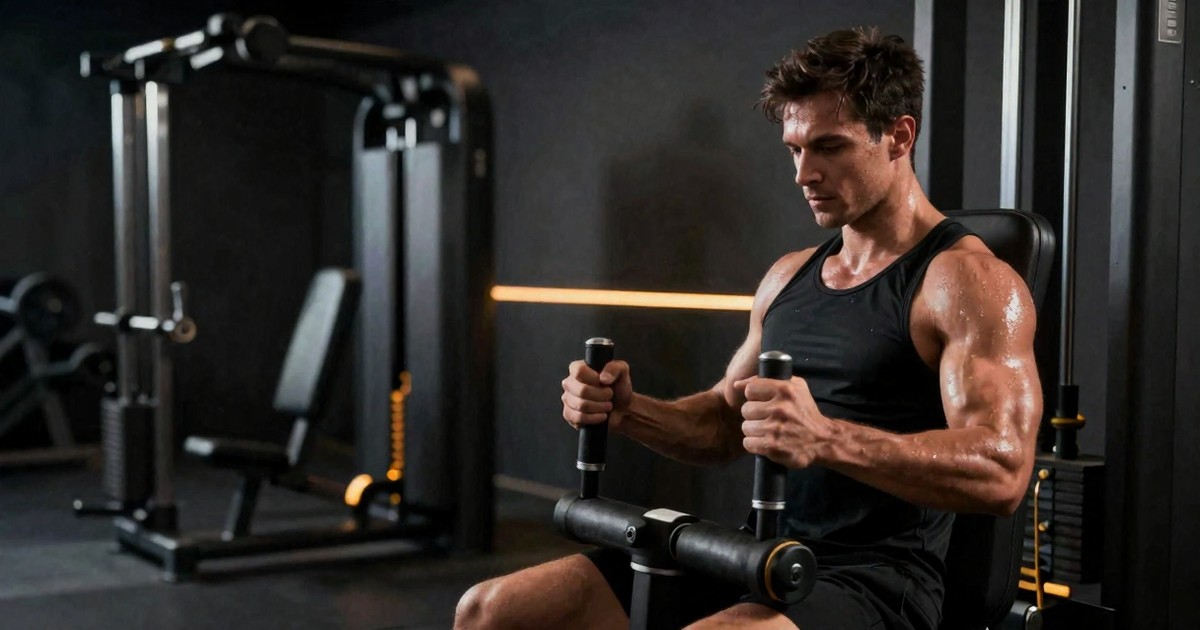
Speediance V3.1 is one of those updates that makes the machine feel both more mature and more unfinished at the same time. After a few days lifting on the Speediance Gym Monster 2S with the newer firmware, I came away with a split verdict: some long-standing issues are genuinely better, but the new Safety Start behavior introduces tradeoffs that lifters should understand before relying on it.
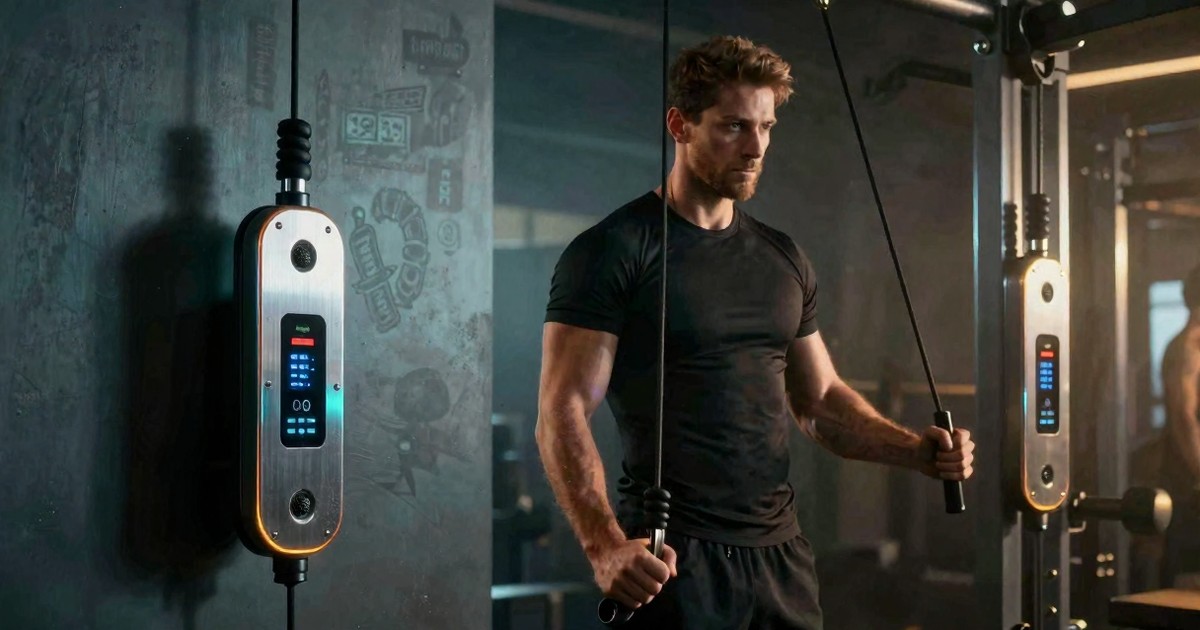
The headline feature is Safety Start. It sounds like a simple safety improvement: pull the cable to a chosen starting position, confirm it, and the cable will no longer retract past that point during the exercise. In practice, it is less of a general safety feature and more of a technical foundation for upcoming Pilates-style modes. That matters, because the compromises required to make it work show up during normal lifting.
What Safety Start Actually Does
Safety Start lets you set a minimum cable length before starting a set. Once confirmed, the machine treats that position as the new retraction endpoint. The benefit is obvious in certain exercises where a heavy load could pull you back toward the machine. Instead of the handles or bar trying to return all the way home, they stop at the preset position.
That can be useful. If you are doing a movement where the starting position is awkward, heavy, or potentially unstable, Safety Start gives you a buffer. It can prevent that sudden pullback feeling that some users have complained about, especially when the machine applies too much load too quickly.
But the cost is range of motion. If you set the start position too far out, you have already shortened the movement before the set begins. On exercises like cable flies, rows, or movements where a deep stretch matters, Safety Start can quietly turn a full movement into a partial one. That may feel safer in the moment, but it is not always better training.
The Retraction Problem
The bigger issue is that the new firmware appears to slow or change cable retraction behavior more broadly. On my 2S, the cables do not retract as cleanly as they did before, and they do not retract as cleanly as my original Speediance downstairs. The difference is visible when moving the arms quickly or returning the handles toward the machine.
At times, the cable can slack, fold, or lag behind the movement. That is not just annoying. Slack cable around a digital weight machine is exactly the kind of thing you do not want to normalize, because it can lead to tangles, awkward resets, and potentially damaged cables if the machine keeps moving under poor tension.
To be clear, this has not stopped me from lifting. In my normal workout flow, I rarely notice the issue during a set because I generally keep the cable under tension and return it deliberately. The place it jumps out is when changing rail positions or moving the arms quickly between exercises. In that scenario, the retraction feels too slow and too loose.
My expectation is that Speediance can tune this in firmware. The machine is still usable, and the company has been iterating quickly. But if you update and suddenly notice more cable slack, you are not imagining it.
Why I Rarely Want Safety Start On
My preferred way to use digital resistance is to let the machine give me the stretch. I want the cable pulling me into the full range of motion under control, especially during warm-up sets. That is one of the reasons I like machines like Speediance in the first place. They make eccentric loading easier to use, and that controlled eccentric phase is where I get a lot of the joint-friendly benefit.
For warm-up sets, Safety Start makes very little sense for me. If I cannot return the handles to the machine under control during a warm-up, then it was not really a warm-up. For working sets, I can see the argument in a few heavier movements, but even there I prefer using the pause behavior and returning the cable with control.
That is the practical rule I would give most lifters: do not use Safety Start by default. Use it only when a specific exercise creates a specific start-position problem. If it shortens your range of motion or makes you avoid learning how to control the cable, it is probably hurting the quality of your training more than it is helping.
Partner Mode Is Still Not Where It Needs To Be
V3.1 also brings back a version of partner lifting inside Free Lift, but it is not the feature I wanted back. The old implementation already had problems, but it at least allowed more control over each side. In the newer version, the ability to independently turn each side on and off is gone in the way I used it before.
That matters for real partner training. If one person is lifting and the other is setting up, spotting, adjusting, or using a different load, independent side control is a legitimate safety and usability feature. Losing that is a downgrade.
The bigger missing piece is still partner mode inside custom workouts. This has been one of the most obvious feature gaps for a long time. If two people share a Speediance, they should be able to run a custom workout together, log each person properly, and assign loads per user. Tonal has had this kind of shared training concept for years. Speediance should prioritize it across Free Lift, programs, and custom workouts.
The Good News: Progressive Overload Looks Better
The best part of V3.1 is that progressive overload prompts seem improved for bilateral handle movements and bar movements. Instead of silently throwing a heavier weight at you, the machine is now more likely to prompt you and ask whether you want to accept the increase. In some cases, it gives multiple options or lets you decline.
That is a big deal. One of the scariest behaviors on any digital weight machine is unexpected load. If the system decides you are ready for more weight and applies it without a clear prompt, the machine stops feeling intelligent and starts feeling unpredictable. V3.1 appears to be moving in the right direction here.
Unilateral movements still need work. The machine can still appear to treat one side differently, apply an unexpected progression, or behave inconsistently with the setting that is supposed to keep both sides jointly based on the latest one-rep max. That feels like a bug, not a design choice, and it is one of the remaining areas Speediance needs to clean up.
The UI Is Improving
There are also smaller quality-of-life wins. Speediance appears to have removed the main-screen popups that frustrated users. That is the right call. The company also seems to be doing a better job communicating what changed in each update instead of hiding everything under vague bug-fix language.
The workout controls themselves are cleaner in V3 than they used to be, especially for adjusting eccentric settings. I use max eccentric frequently, and the updated control layout makes it faster to set up a workout the way I want. The important part is that these settings stick after setup. If I had to reapply max eccentric to every exercise every time, that would be a dealbreaker.
One UI issue still drives me crazy: arm position guidance is buried too deep. The machine should show the required rail level directly on the exercise screen. Right now, you often need multiple taps and sometimes a scroll to find the placement. With as many adjustment points as Speediance offers, that information needs to be obvious.
Should You Update?
If you already own a Speediance 2 or 2S, V3.1 is still probably an upgrade over V3.0. The progressive overload prompting is important, the popups are gone, and the company is clearly listening to community feedback. Those are meaningful improvements.
But Safety Start should not be treated as a magic safety button. It is a tool with a narrow use case. Used constantly, it can reduce range of motion and encourage a training style that avoids controlled cable return. For my lifting, that is the wrong tradeoff.
The retraction behavior is the biggest concern. It needs tuning. The machine remains recommendable, especially compared with systems that require a forced membership, but Speediance should fix the cable slack and retraction lag quickly. A digital weight machine can have bugs, but the cable behavior needs to feel predictable every time.
Bottom Line
Speediance V3.1 is better software wrapped around one questionable new behavior. I like the improved overload prompts. I like the cleaner update communication. I like that the company removed popups and keeps iterating. But I do not like the current Safety Start tradeoff, and I really do not like the slower retraction.
For now, I would keep lifting, use Safety Start sparingly, watch for slack cable, and be deliberate when returning handles or moving the arms. Speediance is still one of the most interesting smart home gym platforms because it keeps improving without locking every useful feature behind a mandatory subscription. Now it needs to make sure the basics, especially cable retraction, feel as solid as the ambition behind the software.
Keep comparing
Make the next smart-gym decision with the full picture
Move from one review into model comparisons, real lifting data, and the matching video demonstrations.