About Toby
Independent fitness tech reviews, backed by my own training.
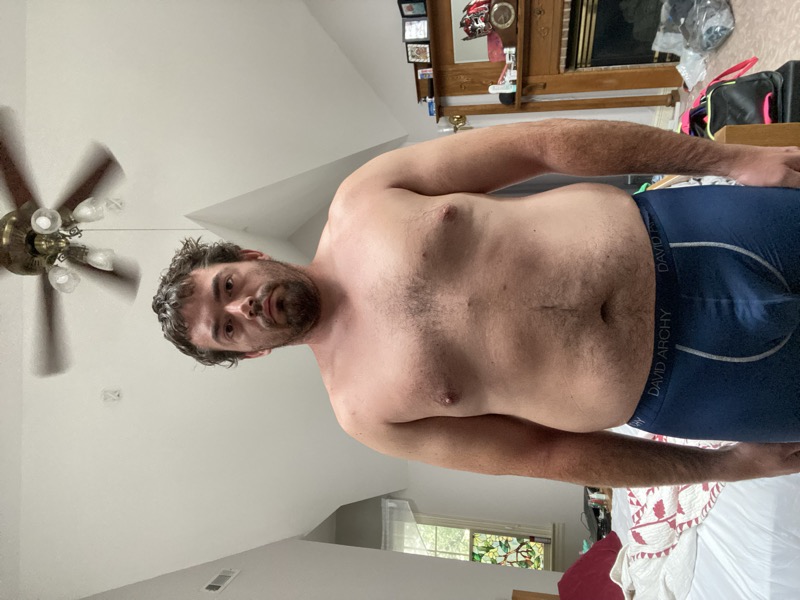
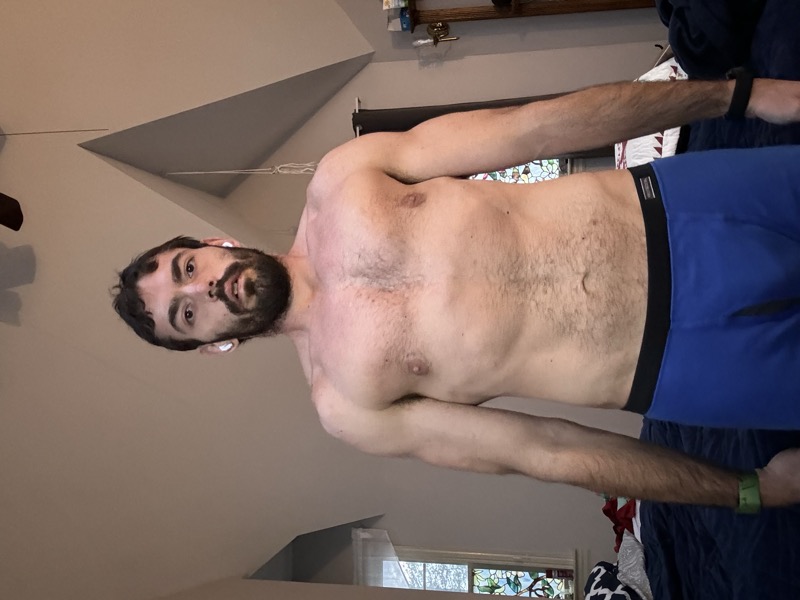
6 months · no excuses
The Stats
The Turnaround
In 2023, I was 242 pounds. Traditional cardio — the thing most people lean on to lose weight — wasn't cutting it. I decided to engineer a smarter solution.
I chose to to be a computer programmer. I went deep on the data: WHOOP recovery scores, Garmin activity tracking, 8Sleep sleep quality, and meticulous calorie logging via Cronometer. Every variable that I could control, I controlled. Every variable I could, I measured.
The anchor of my training became smart cable machines — first Tonal, then Speediance — that let me train heavy from home. I've now logged 9,927,371 lbs of lifetime lifting volume. No hype — I have the data to prove it.
Alongside the machine work, I returned to Brazilian Jiu-Jitsu as both a physical outlet and a mental anchor. BJJ was already part of my life by then. It forced me to stay disciplined, stay humble, and keep showing up — even when the scale wasn't moving the way I wanted.
Six months later: 188 lbs. 54 lbs lost.
Weight Journey
Starting
242 lbs
Lowest
188 lbs
Latest Measured
216.6 lbs
Change
-25.4 lbs
Weight Over Time
242 → 188: In 2023 into early 2024, I dropped 54 lbs using pharmaceutical support (GLP-1, TRT, Anavar), aggressive calorie restriction, and high-volume training. The focus: get lean, build the habit, prove to myself I could do it.
188 → 216.6: After hitting 188 lbs, I pivoted to rebuilding. The latest measured weight in the body-composition report is 216.6 lbs on Jul 5, 2026. I ate more, prioritized protein and progressive overload, and balanced lifting with running and BJJ.
The lesson: The scale is a tool, not a judge. Each phase had purpose. The transformation isn't over — it's just entered a new chapter.
Running Stats: Pre vs. Post Transformation
Real Garmin activity history split between pre-transformation (2017 – Jan 2024) and post-transformation rebuild (Jan 2024 – Present).
Chapter 2
188 lbs Was the Starting Line, Not the Finish.
The Build Phase Numbers
I hit 188 lbs on January 4, 2024, and immediately understood that the cut was just phase one. Losing weight is a subtraction problem. Building something on top of it is a different challenge entirely — and honestly, the more interesting one. The scale has been climbing since. 188 → 205 → 216.6 lbs as of Jul 5, 2026. That's not a setback. That's the plan working.
The Speediance became the anchor of phase two. Across the logged training history, I've moved 9,927,371 lbs of total lifting volume. My best single session: 35,305 lbs in 50 minutes on February 2, 2026. Top lifts tracked by the machine — barbell lat pulldown at a 294 lb 1RM, bent over row at 198 lbs, bench press at 90 lbs via the cable system. These aren't estimates. The machine logs every rep.
Running got rebuilt from scratch in parallel post-transformation. I started with 1-mile sessions — genuinely just trying to not stop. Across my post-transformation Garmin log, I've completed 230 runs (193 outdoor, 37 treadmill), totaling 517.7 miles. Combined with pre-transformation training, my lifetime Garmin history spans 3,814.3 miles across 1,389 runs. Not fast. But consistent, progressive, and building. The weight going up isn't something to explain away — muscle weighs something. That's the point.
Every training decision now runs through the stack: WHOOP gives me a recovery score each morning, 8Sleep tells me how the night actually went, and the AI assistant I built on OpenClaw reads all of it — Garmin activity, sleep data, HRV trends — and generates a daily readiness recommendation before I decide whether to push or pull back. The system makes the decisions defensible. No guessing, no going on feel when the data says otherwise.
Progress Photos
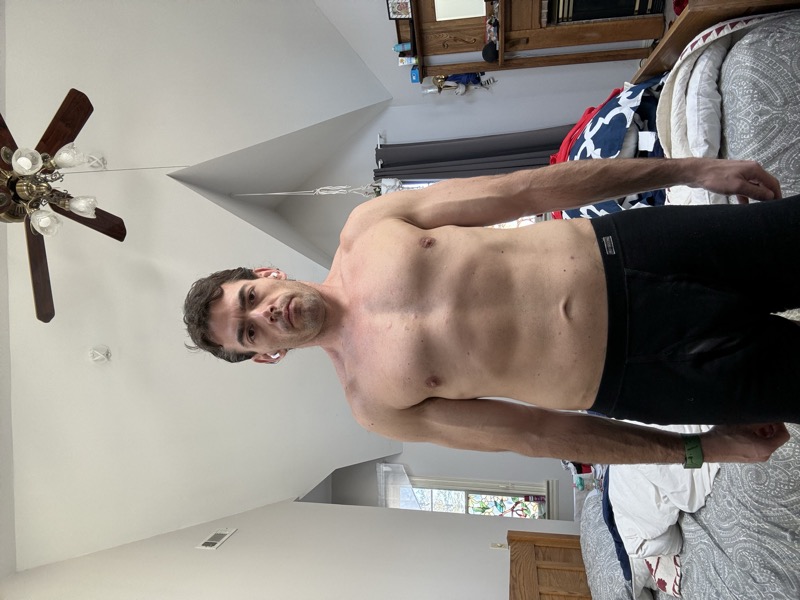
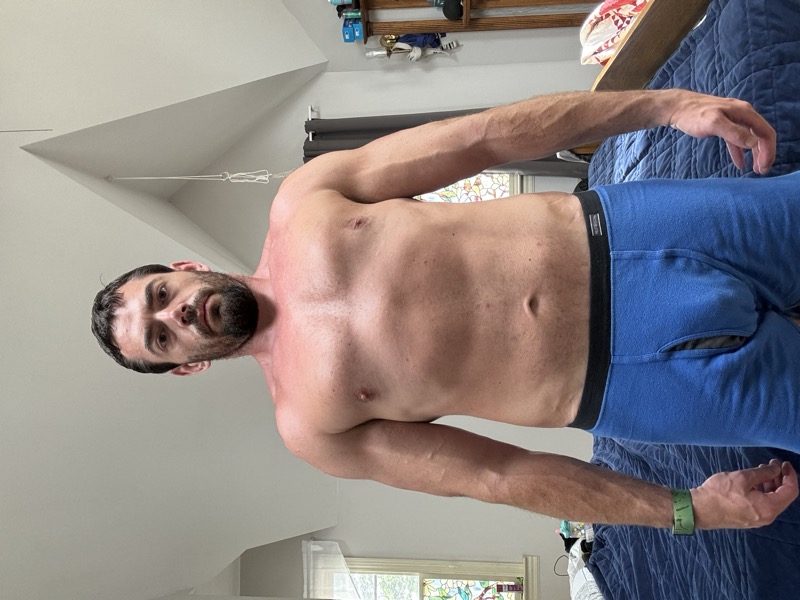
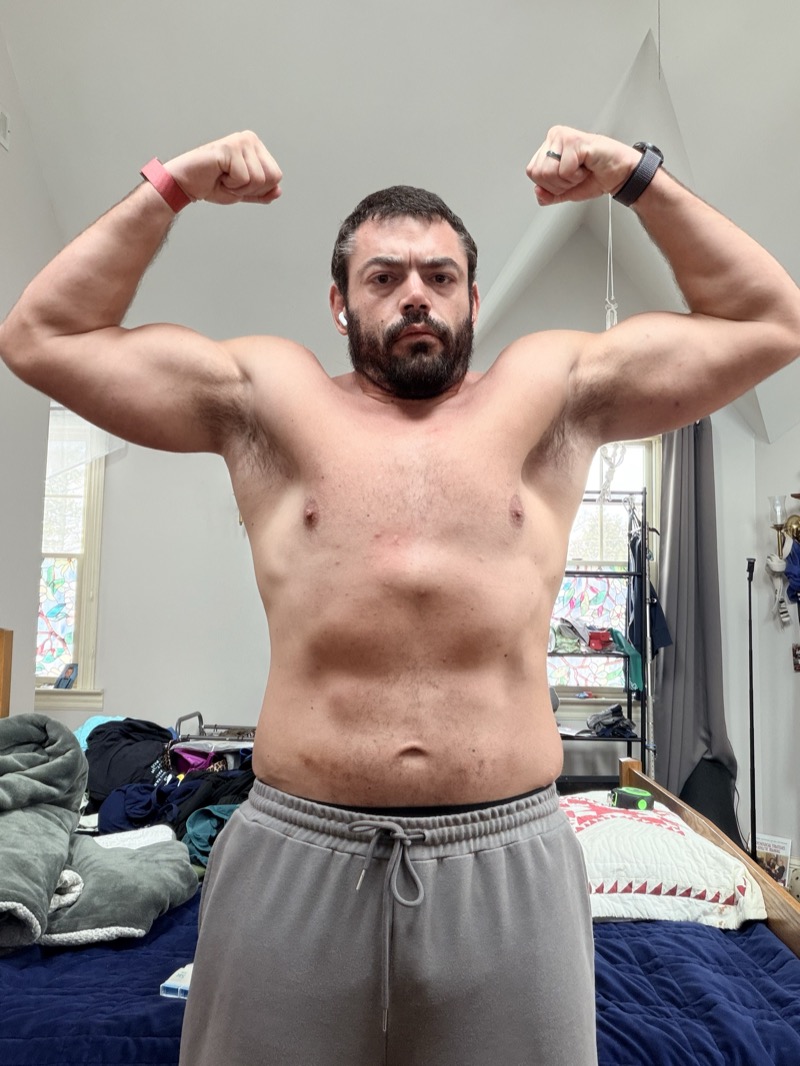
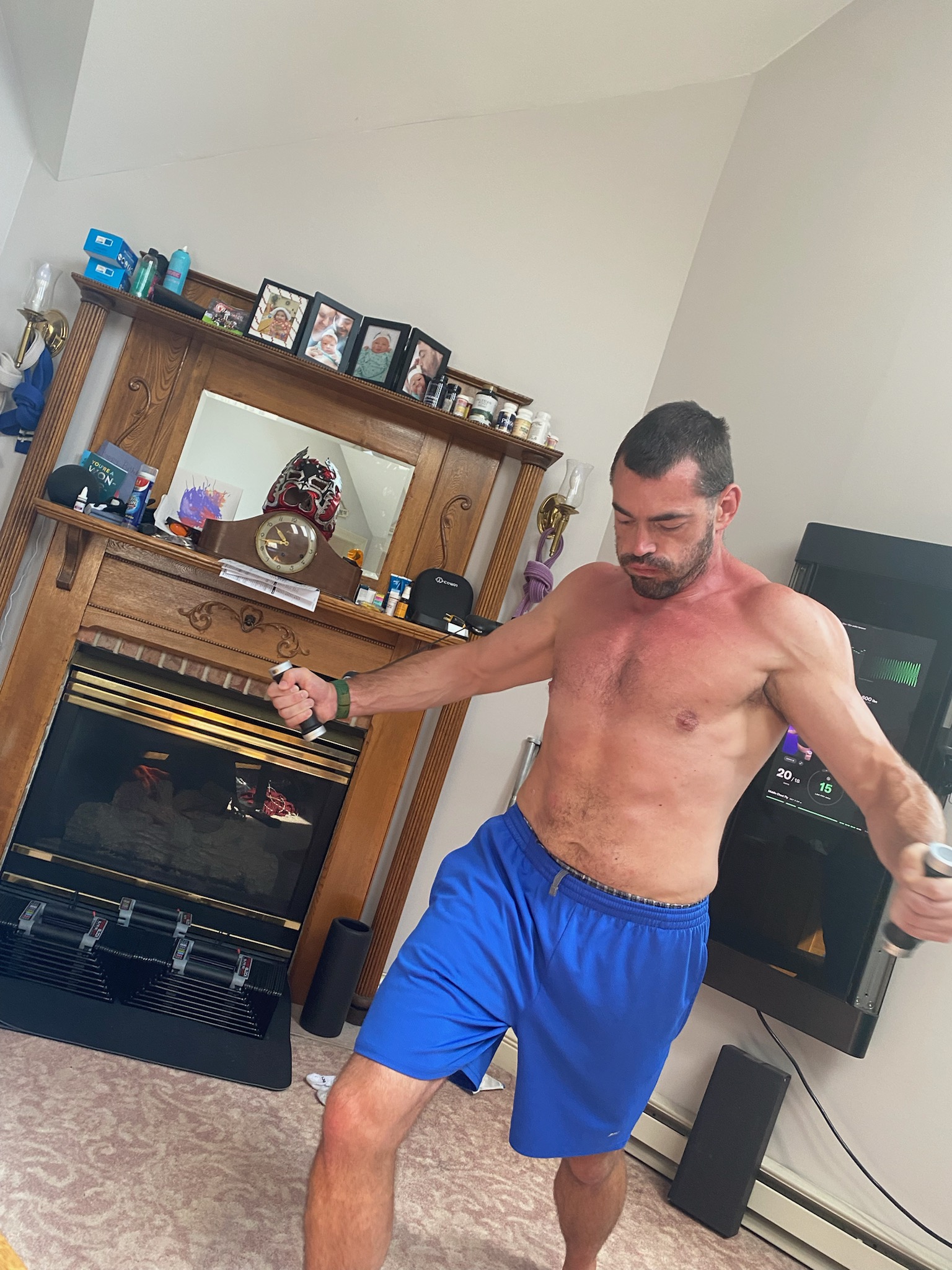
242 → 188 lbs. Every photo is real, unedited, and timestamped by weight.
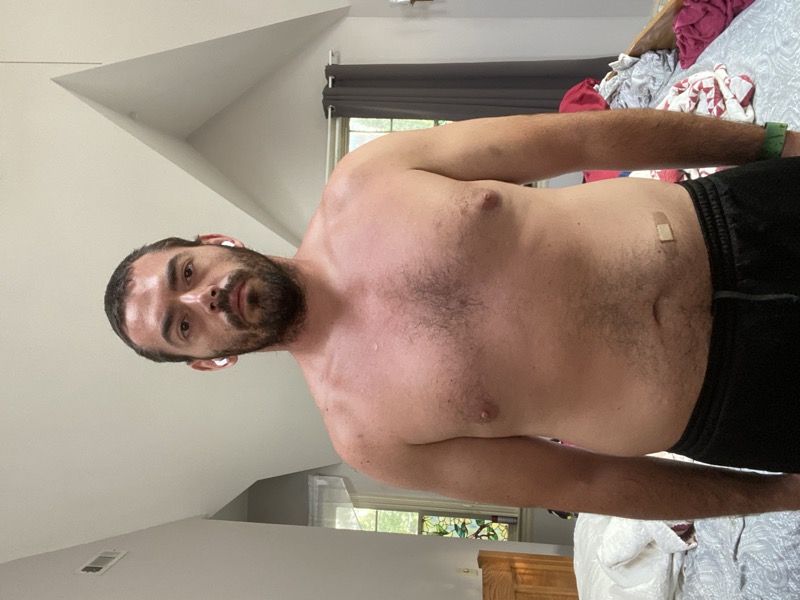
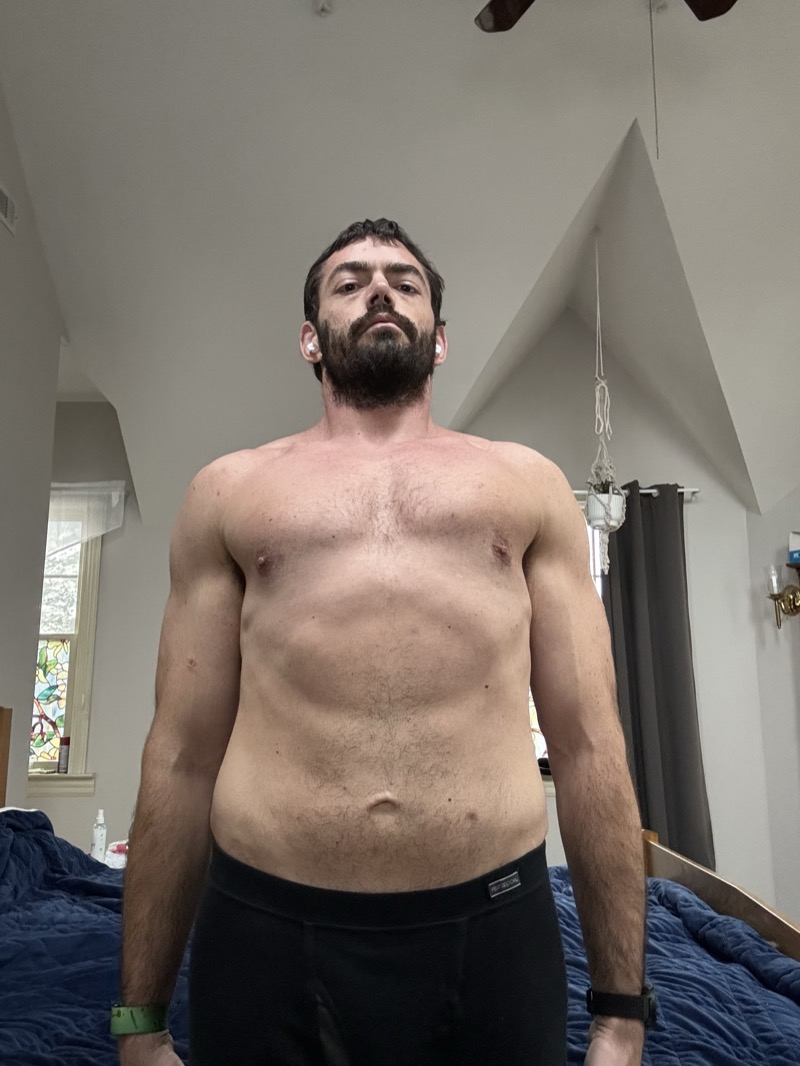
Every data point logged
These photos don't tell the whole story. Behind each one: daily WHOOP recovery scores, Garmin training load, 8Sleep sleep quality data, and Cronometer nutrition logs. The transformation was systematic, not accidental.
My Focus
Home Gym Tech
I've lifted 9,927,371 lbs across smart cable machines. I test firmware updates, compare modes, and find the bugs so you don't have to. If a machine says it replaces a gym, I verify it.
BJJ & Grappling
Jiu-Jitsu isn't just a sport; it's a system. I analyze match footage, discuss belt culture, and break down the "why" behind the techniques.
Data & Automation
From Whoop recovery scores to building my own AI assistant (OpenClaw) to manage my schedule and training. If it can be measured and automated, I'm interested.
Training Philosophy
Why I Train at 6:30 AM
Mornings are for training before the day steals your energy. 6:30 AM means I'm done lifting or on the mat by 8:00, leaving the rest of the day for work, family, and recovery. Training at night has never worked for me — I get second winds that mess with sleep, and by 9 PM I'm too tired to roll hard.
BJJ + Lifting + Running = The Stack
I don't choose between them — I do all three. BJJ 3-4x/week keeps my grappling sharp and provides cardio. Speediance lifting 4x/week builds muscle and strength. Running 2-3x/week maintains cardiovascular base. The key is not doing too much of any one: 10 hours total training/week is my ceiling before recovery suffers.
Running Log — Pre vs. Post Transformation
I didn't run during the 54 lb weight loss cut. Running was rebuilt post-transformation — adding 517.7 miles onto a 3,808 mile lifetime foundation.
Post-Transformation (Rebuild)Jan 2024 – Present
Pre-Transformation2017 – Jan 2024
My BJJ Journey
As a brown belt BJJ practitioner, the mat is where I reset. Training out of a dedicated BJJ gym means 3-4 classes a week, regular rolling sessions, and a circuit of positional drilling that keeps the game sharp even when the rest of life is busy. Those classes are a ritual — technique, live sparring, and cleaning up mistakes with training partners who expect the work.
The mat story started much earlier: April 4, 2017 at Harrisburg Brazilian Jiu-Jitsu and Judo, according to my Beltchecker profile. The 2023 cut happened years into that journey, not at the beginning of it, and BJJ stayed in the picture while I rebuilt around WHOOP recovery signals, running, lifting, and calculated caloric control.
Competition has been a compass. At brown belt I earned third place at a regional tournament with a reverse triangle finish that reminded me grit beats perfection. That finish is logged in detail in my reverse-triangle tournament video, and the lessons from that scramble still shape how I stack strength work with rolling.
The mat never stops teaching me. For more context on how I pair this journey with broader BJJ commentary, read the Mat Science take on belt culture or trace how my OpenClaw BJJ buddy project ties training data into every report (BJJ automation build log).
242→188 lbs
Done while managing hard mat sessions, fatigue, injuries, and WHOOP recovery signals.
216.6 lbs
Measured on Jul 5, 2026; rebuild phase balancing strength training, running, and rolling.
3-4 classes
Technique rounds, structured drills, and open-mat rolling with partners who keep each session honest.
Brown belt
Brown belt since April 9, 2024; tournaments and hard rounds keep the skill honest.
Apr 4, 2017
White belt
Started BJJ at Harrisburg Brazilian Jiu-Jitsu and Judo.
Sep 22, 2019
Blue belt
Promotion listed from the Frederic Rabert seminar at Harrisburg BJJ and Judo.
Dec 7, 2020
Purple belt
Promoted at The Factory Dillsburg by Ademir Oliveira and Jeff Galino.
Apr 9, 2024
Brown belt
Promoted at The Factory Dillsburg by Ademir Oliveira and Jeff Galino.
Dive deeper into the journey with the Mat Science belt debate or the OpenClaw BJJ automation build log.
Personal Lifestyle

Fishing landscape: rod on river bank, scenic, no people
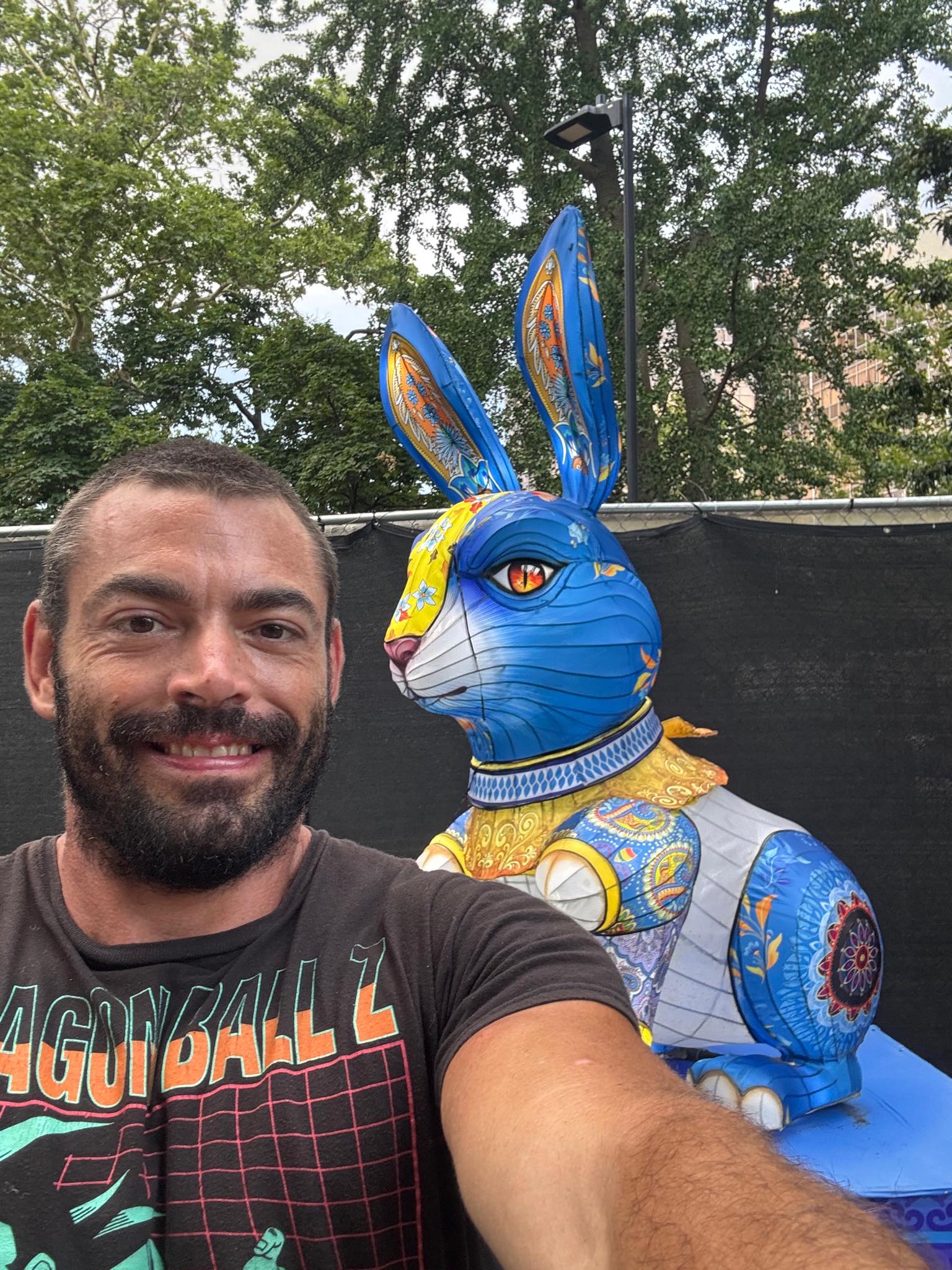
Solo selfie: Dragon Ball Z shirt, smiling, outdoor with painted rabbit sculpture
BJJ + Transformation
Where BJJ Fit Into My Transformation
Belt Progression Timeline
BJJ was not the simple hero story of the transformation.I had already been training for years when I made the hard cut from 242 to 188 pounds, and there were stretches where jiu-jitsu made the process harder. Hard rounds left me banged up, injuries piled up, and the mat sometimes moved me away from the bodybuilding work I was trying to prioritize.
During that cut, I seriously thought about quitting BJJ. I was trying to become the leanest and fittest version of myself, but rolling while hurt, under-recovered, and deep in a deficit was not some clean motivational montage. The weight loss came from deliberate calorie control, lifting, recovery tracking, and staying consistent even when I was not easy to live with.
At the latest measured 216.6 pounds in 2026, I'm in the rebuild phase. The difference this time: I am more honest about the tradeoffs. BJJ gives me a mentally and physically demanding practice, but I have to balance it against strength training, running, recovery, and the simple fact that hard rolls can beat up a 39-year-old body.
What keeps me on the mat is not a slogan about discipline. It is the people. Adult relationships that last are hard to build, and jiu-jitsu creates a room full of people trying to get stronger, faster, better, and more technical together. That community, plus the physical and mental puzzle of the sport, is why I still train even after the injuries, the doubts, and the days where everything hurts.
See the evidence
I document everything on YouTube. The successes, the failures, and the raw data.
Browse Video Library