Family Fitness on Speediance: Safe Strength Training With My Daughter
A casual Speediance session with my daughter turned into a practical lesson on how to make strength training safe, low-pressure, and fun for kids. This is what age-appropriate lifting can look like at home when the focus stays on movement, supervision, and confidence.
Most of the time on Toby on Fitness Tech, I focus on the gear, the programming, and the numbers. But every once in a while, the real story is not the machine itself. It is what the machine makes possible inside a home.
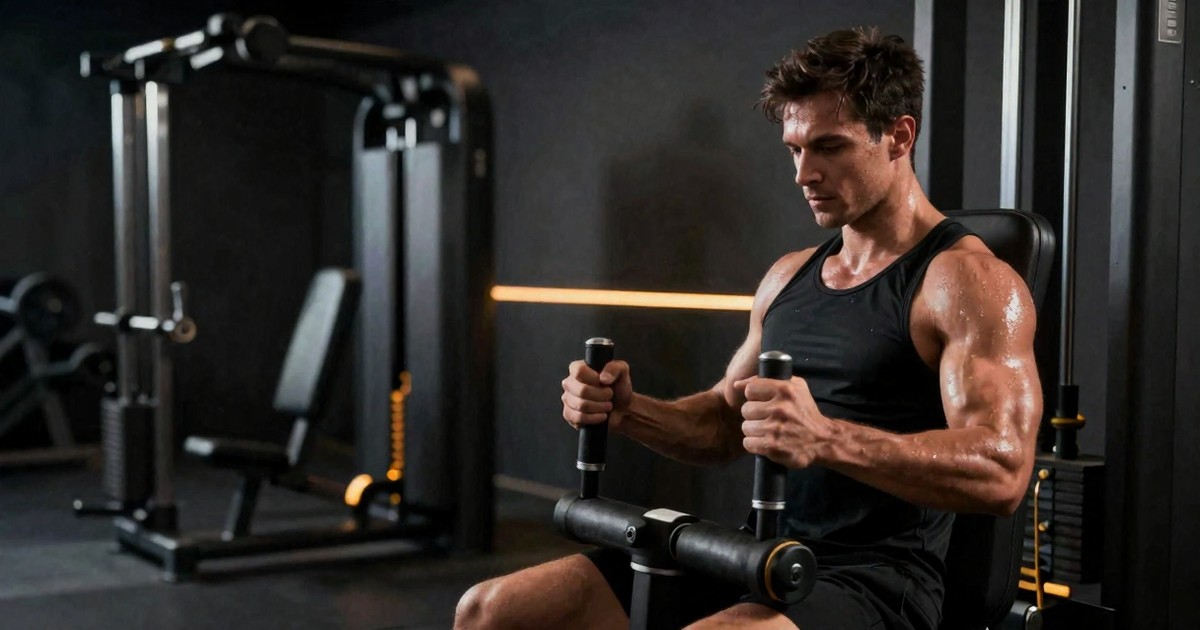
That was the case in this Speediance workout, where my daughter Lily joined me for part of a training session. The idea was simple: I would work through one of my custom workouts, do my own lifts, and then let her try safe, scaled versions alongside me while I counted reps and coached her through the setup. What came out of it was equal parts funny, educational, and surprisingly revealing about what home fitness can look like for families.
If you have ever wondered whether kids can be introduced to strength training in a healthy way, this session is a good example of the right mindset. This was not about pushing heavy weight, chasing performance, or pretending a child should train like an adult. It was about movement, supervision, body awareness, and making fitness feel normal and enjoyable.
Why I Let My Daughter Join the Workout
I have become more convinced over time that strength training should not be treated like some mysterious adult-only activity. Kids do not need hardcore programs, but they absolutely can benefit from learning how to move, balance, pull, press, and pay attention to their bodies.
The key is context.
In our workout, Lily was not doing my actual training loads. I was moving through my custom Speediance programming, while she tried controlled, low-resistance versions of the same movement patterns. In many cases, I kept the machine weight turned off. That still is not truly zero resistance on a cable machine, but it keeps things light enough to focus on mechanics, confidence, and basic coordination.
That distinction matters. Safe lifting for kids is not about loading them up. It is about teaching them how movement feels, how to stay balanced, and how to respect the equipment.
What the Workout Looked Like
The structure was simple. I did a movement first, then Lily copied it in a way that matched her size and ability. We moved through several exercises on the Speediance, including:
- Kneeling single-arm lat pulldowns
- Shoulder and upper-back mobility-focused pulling patterns
- Bicep curls
- Regular lat pulldowns
- A punch-to-the-floor style cable movement that demanded good foot placement
- Rows from the bench
- Accessory movements for shoulders and upper back
Some exercises were easy wins. Others clearly were not. That was actually one of the best parts of the session.
For example, Lily could handle curls pretty well once I moved the attachment points down to her height and corrected her grip. But on a more demanding shoulder movement, she quickly found out it was harder than it looked. Instead of forcing it, we adjusted expectations on the spot. That is exactly what should happen in any training environment, whether you are six years old or forty.
A good session is not about making every rep happen no matter what. It is about finding the right version of the movement for the person in front of you.
The Biggest Advantage of Training at Home
This workout also highlighted one of the biggest strengths of a system like Speediance: control.
Because I can quickly change attachment height, turn resistance on and off, and move between exercises without a lot of setup friction, it is much easier to adapt the workout for someone smaller and less experienced. In a commercial gym, that process would be awkward at best. At home, it becomes natural.
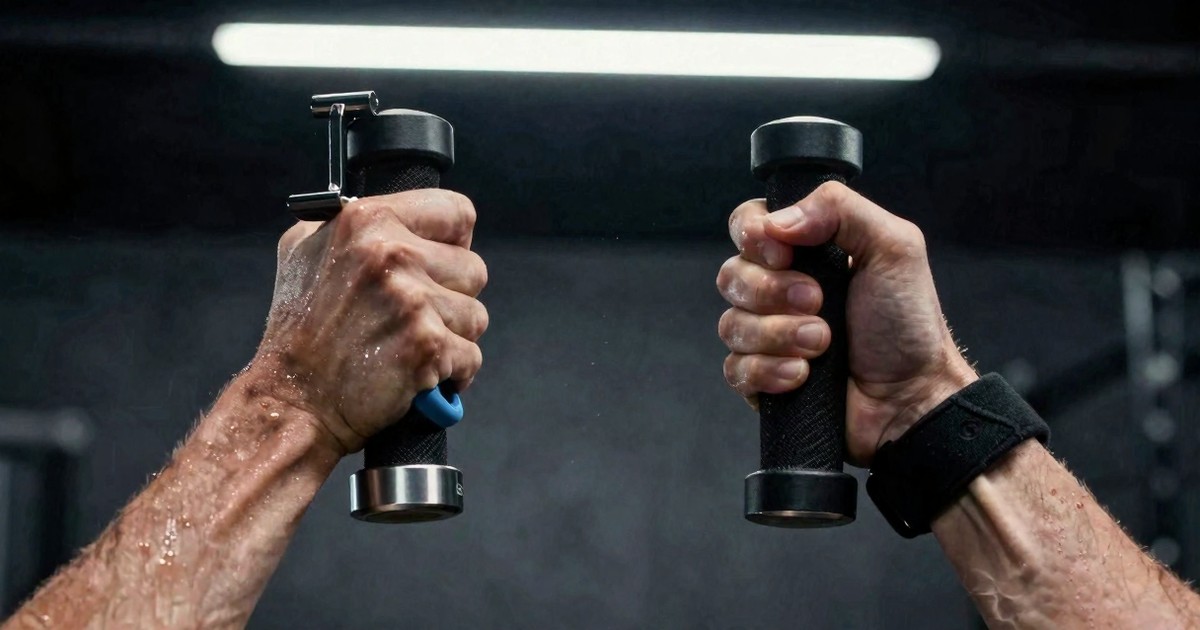
That flexibility showed up over and over again during this session. On one movement, Lily could not reach the handles from her knees, so I brought them down to her. On another, she was short enough that she did not even need to kneel for the lat pulldown. On curls, I adjusted the attachment points to fit her height. On a movement that required more balance, I coached her foot position first before even worrying about reps.
That is what I love about smart cable systems in a home gym. They let you meet the moment instead of forcing everyone into one fixed setup.
What “Safe Lifting for Kids” Actually Means
There is a tendency for people to hear the phrase kids lifting and immediately imagine something reckless. But safe lifting for kids does not mean mini powerlifting. It means a few very practical things:
- Constant adult supervision
- Very low resistance
- Age-appropriate movement selection
- No ego, no pressure, no forced reps
- Emphasis on balance, coordination, and control
- Stopping when the movement is clearly too difficult
That was the approach throughout this workout. I stayed right there, talked her through every rep, adjusted attachments for her height, and kept the tone playful. The goal was not to test limits. The goal was to make movement familiar and fun.
That last point matters more than people think. If a child associates exercise with punishment, pressure, or embarrassment, they will avoid it. If they associate it with play, connection, and confidence, fitness becomes part of life instead of a chore.
It Was Not Just Cute. It Was Useful.
Sure, there were plenty of funny moments. Lily compared one exercise to “a butterfly,” admitted when something felt hard, and gave the kind of running commentary only a kid can provide. That made the workout entertaining.
But there was also useful information here.
I got to see, in real time, which movements translated well to a smaller body and which ones did not. I got to see how important attachment height is on the Speediance when the user is nowhere near adult size. I got a reminder that even with machine weight off, some cable paths still provide meaningful resistance. And I got to reinforce a lesson I believe strongly: bilateral work matters.
Several times during the session, I made sure Lily worked both sides instead of only doing the easier or more comfortable side. Even at a young age, that awareness matters. You do not need to obsess over symmetry, but you do want kids to understand that movement should be practiced on both sides of the body.
Why I Think This Matters Long Term
I also think there is a broader point here. We talk a lot about health in terms of dramatic before-and-after photos, elite performance, or perfect routines. But the long game of fitness often looks much smaller and quieter than that.
It looks like your kids seeing you train consistently.
It looks like them understanding that exercise is just something adults do, the same way they brush their teeth or cook dinner.
It looks like giving them a chance to participate in a safe, age-appropriate way instead of treating the gym as a forbidden zone.
That kind of exposure can shape how they think about movement for years. Not because you lectured them about discipline, but because you showed them that training can be normal, positive, and even fun.
There is also something valuable about demystifying equipment. A home gym can either become a place kids are told not to touch, or it can become a place where they learn that tools require respect, attention, and guidance. I would much rather teach that lesson directly than leave the whole thing surrounded by mystery.
My Takeaway From This Session
At the end of the workout, we stopped after my warm-up sets. That was the right call. Lily had done enough, she wanted a break, and the session had already accomplished what it needed to accomplish.
That, honestly, is the perfect ending.
There was no need to turn it into a bigger test or drag it out for content. We got movement, laughs, coaching moments, and a practical demonstration of how a home gym can support the whole family.
If you are a parent with a home gym, I think there is a lot to learn from sessions like this. You do not need a formal youth training plan. You do not need to overcomplicate things. Start with supervision, low resistance, simple movement patterns, and a light tone. Let kids participate in a way that feels safe and empowering.
And if you happen to have a cable-based system like the Speediance, even better. The ability to modify setup quickly makes this kind of family workout much easier to do well.
Final Thoughts
This was one of the most personal Speediance sessions I have filmed, and it reminded me why I care about home fitness technology in the first place. The best equipment does more than deliver resistance curves and exercise libraries. It fits into real life.
Sometimes real life means chasing progressive overload and dialing in your programming. Sometimes it means squeezing in a warm-up before jiu-jitsu. And sometimes it means your daughter steps in, picks ten reps, and turns your workout into family gym time.
If fitness is going to last, it has to belong to your actual life. For me, this session was a great reminder that strength training at home can be serious when it needs to be, but it can also be playful, shared, and deeply human.
That is a version of fitness worth building around.
Keep comparing
Make the next smart-gym decision with the full picture
Move from one review into model comparisons, real lifting data, and the matching video demonstrations.