Jocko Lost a BJJ Match. Why the Internet Is Wrong About Public Failure
Jocko Willink lost a grappling match to a specialist, and the internet had a meltdown. Here is why losing in public is actually the ultimate display of discipline.
I watched a video pop up in my feed the other day—a short, almost throwaway clip of a grappling match—and within a minute, I was genuinely irritated. My irritation wasn't directed at the competitors or the outcome of the match. It was directed squarely at the comment section. In the digital age, we have developed a toxic habit of devaluing expertise the moment it encounters a setback, and nowhere is this more evident than in the reaction to Jocko Willink’s recent Brazilian Jiu-Jitsu (BJJ) match.
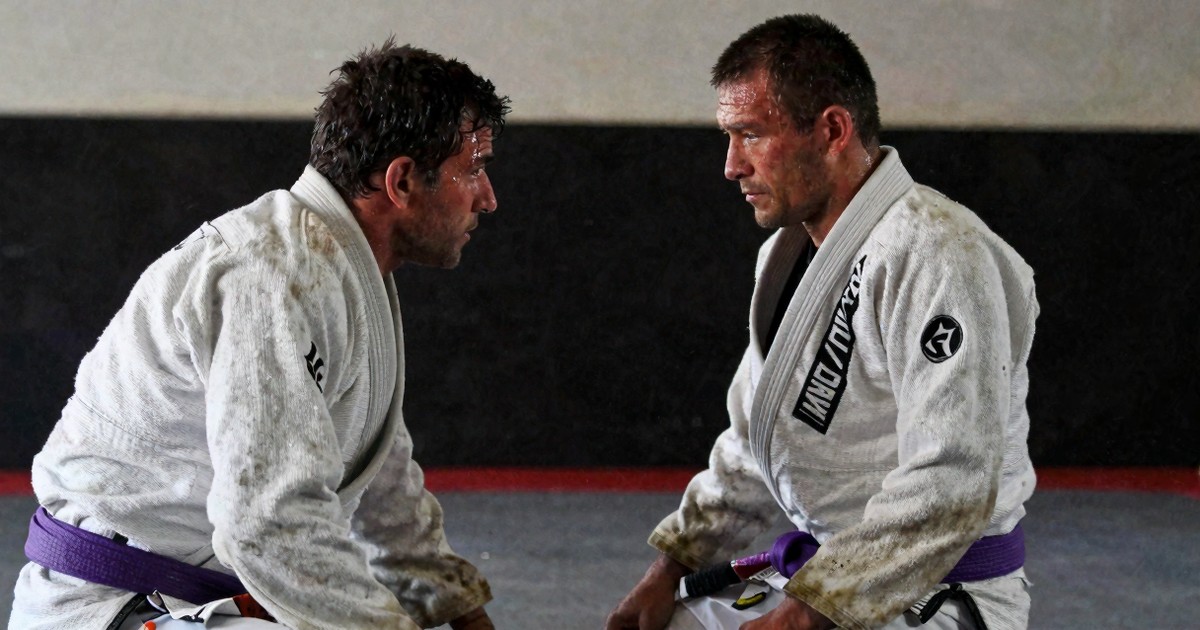
For those who missed the viral cycle: Jocko Willink lost a jiu-jitsu match. The opponent was a former UFC fighter and a decorated jiu-jitsu champion—a shorter, heavily muscled athlete described by the video creator as being "Mike Israetel size." This man is a specialist, a monster of a human being who has spent the better part of his life perfecting the art of the ground game. Jocko—a former Navy SEAL commander, a black belt himself, but fundamentally a man who balances a thousand different high-level responsibilities—took the match. He lost. And then the comment section did exactly what the modern internet does: it tried to burn the house down.
"Jocko sucks," was the overwhelming sentiment. It was a chorus of dismissal from people who, in all likelihood, have never stepped foot on a competition mat. This reaction isn't just wrong; it’s a symptom of a fundamental misunderstanding of what martial arts—and growth—actually look like.
What Actually Happened on the Mat
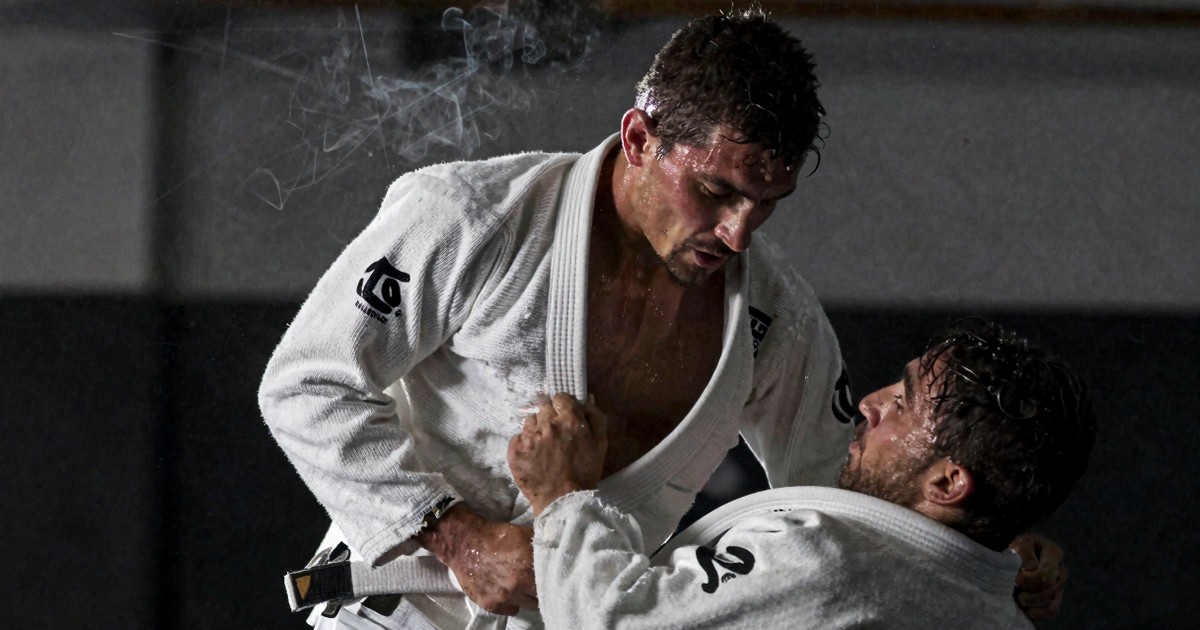
The setup of this match matters significantly more than the final score. Jocko stepped onto the mat with a specialist in that specialist's own arena. The opponent wasn't just a hobbyist; he was a professional whose résumé includes actual UFC wars and high-level grappling championships. Furthermore, despite being shorter, the opponent was a heavyweight powerhouse. The match occurred under grappling rules, not MMA rules, and took place in the context of a competitive event where the margins for error are razor-thin.
The internet loves to flatten context to fit a narrative. They see a loss and read it as a total referendum on a person’s capability. But a grappling match against a world-class heavyweight specialist is a specific technical problem. Choosing to solve that problem in front of cameras, knowing you are the underdog, is an act of extreme ownership in its purest form. Jocko didn't shy away from the mismatch; he engaged with it.
Why the "Jocko Sucks" Take Is Lazy
There is a specific kind of cowardice in the "Jocko sucks" take. When you walk onto a mat as a non-professional competitor against a specialist, you are accepting that the technical odds are stacked against you. That is the entire point. You aren't there to maintain an undefeated record for the sake of your ego. You are there to find the gaps in your game that only a superior opponent can expose.
Jocko has never claimed to be the greatest grappler on the planet. He has, however, built a brand around being unflinching in the face of difficulty. This brand invites a particular kind of backlash. People want to see the "discipline guy" humbled. They want proof that his philosophy of "Extreme Ownership" is just a marketing gimmick. But they fail to realize that the philosophy isn't about winning every time; it’s about showing up when you know you might lose. The brand isn't "Jocko is invincible." The brand is "Jocko shows up." He showed up, and the critics stayed behind their keyboards.
The Concept of the "Specialist's Realm"
The creator of the original clip made a vital point: Jocko fought this guy "in his realm." In BJJ, the technical gap between a high-level black belt specialist and a generalist—even an athletic one—is vast. A specialist has spent 10,000 hours on specific transitions, micro-adjustments of weight, and the timing of submissions. You cannot out-athlete a specialist on their terms. Most people avoid these matchups because they don't want the "data" that comes with a loss. Jocko accepted the data. In the world of BJJ, we usually respect the person who seeks out the hardest rolls in the room. Why should that change just because the room has a camera in it?
What the Critics Are Actually Criticizing
The vitriol in the comments isn't actually about jiu-jitsu technique. It's a defense mechanism. It is uncomfortable to watch someone we respect step into a mismatch and lose. It forces the spectator to ask a difficult question: "Would I have the courage to fail that publicly?"
For most of the critics, the answer is a resounding no. It is much easier to mock the loss than to sit with the reality of what it takes to compete. If you are laughing at a man who lost to a world-class specialist, the joke is on you. You are essentially mocking someone for being willing to test themselves, which is the only way anyone ever gets better at anything.
Lessons for Every Grappler
If you train, or if you’re thinking about starting, don't let the fear of being "the guy who lost" keep you off the mat. Here are the takeaways from this situation:
- Seek the Gap: Step onto the mat against people who are better than you. Not to win the round, but to see where your defense fails. The information gained from a submission is more valuable than the ego boost of a dominant round.
- Ignore the External Scale: Your progress is not measured by whether a specialist can beat you. It is measured by whether you are better than you were six months ago.
- Respect the Time: BJJ rewards mat time above all else. There are no shortcuts, and even icons like Jocko have to pay the tax of the technical gap.
- Losing vs. Failing: Failing is the act of not entering the arena. Losing is simply the scoreboard catching up to your current level of skill. One is a choice; the other is a temporary state of being.
The Bigger Picture of Discipline
Jocko’s loss is actually more useful to the BJJ community than a win would have been. A win would have been a highlight reel. A loss is a demonstration of the philosophy in action. It shows that even the guy who writes the books on discipline gets caught, gets swept, and gets submitted. It humanizes the pursuit of excellence.
Most of us aren't going to be world champions. We are hobbyists with families, jobs, and aging joints. We wonder if our two or three sessions a week are worth it when we keep getting tapped by the 22-year-old blue belt. Jocko’s match is the proof that it is worth it. The value isn't in the trophy; it's in the willingness to be the guy on the mat instead of the guy in the comments.
Final Thought
If you find yourself tempted to post a negative comment about an athlete losing a match, you have a choice. You can stay in the stands and feel safe in your anonymity, or you can go find a specialist, ask for a round, and see what reality actually feels like. I'll see you on the mat.
Continue the training story
Put this BJJ story in the context of the full training record
See the belt timeline, competition notes, and the videos behind the written analysis.