How I Avoided Blue Belt Blues in Brazilian Jiu-Jitsu
Setting my target on purple belts from day one kept me moving through the blue belt blues. Here is what worked, plus the nutrition mistake I will never repeat.
The question every blue belt eventually asks is: how do you push through the plateau where most people quit? For many practitioners, the transition from white to blue belt is the most dangerous time for their longevity in the sport. For me, the answer was simple and I set it on day one. I aimed at the purple belts. That target kept me moving when a lot of people around me were walking away from the mats.
This is the second installment of my BJJ belt journey, covering the blue belt years. It was a transformative period that included a gym change during the height of COVID-19, a complete rebuild of my top game, several significant injuries, cross-training drama, an in-house tournament win, and a competition-day nutrition mistake I will never repeat. You can watch the full breakdown of these experiences in the original video here.
The Gym Switch That Made Everything Harder
My journey through blue belt started at one gym and ended at another. My original gym unfortunately closed its doors during COVID, but a nearby academy managed to stay open. Once I found out, I jumped at the chance to keep training. For a significant period, I was doing one-on-one sessions with my new head coach while the rest of the world was effectively shut down. While many were losing their connection to the sport, I was getting a masters-level education in pressure.
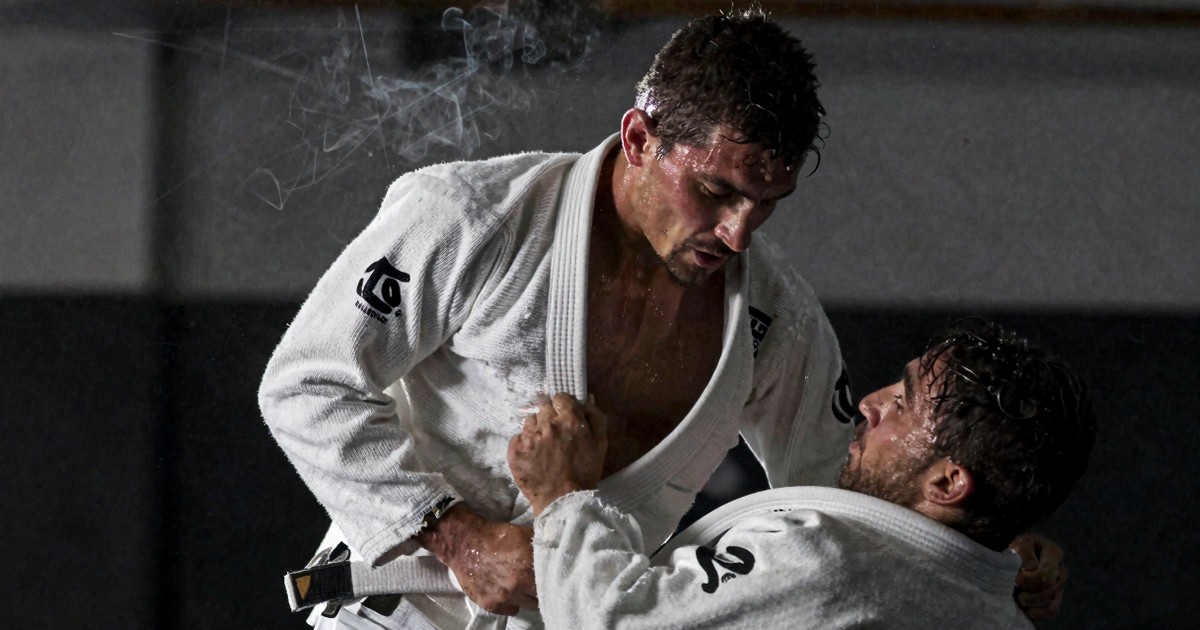
That isolation turned into a huge opportunity, but it also meant rebuilding my style from scratch. My new head coach identified a massive hole in my game: he had to fix my entire top position. At white belt, I had almost no top game to speak of. My whole strategy lived on the bottom, playing guard and looking for sweeps. Once I made the switch, he spent a serious amount of time on guard passing and, more importantly, on what happens after the pass. The result is that my top position is now what people are most afraid of—not just the pass itself, but the chain of attacks that follows once I settle into an advanced position. With my limited cardio, that heavy, oppressive top game is what really cemented what I could do on the mat at blue belt.
The Cross-Training Conversation Nobody Likes
When I first switched academies, I trained at both gyms for a while. This is a controversial topic in BJJ, as many gyms strictly forbid their members from training elsewhere. My original gym did not allow it, and I found out the hard way that policies are enforced. A white belt at another local gym actually received a phone call from one of the owners about cross-training, and I could have guessed exactly who made that call based on personality alone.
I understand the perspective of the owners; they have every right to set that policy to protect their culture and business. However, now that I am an upper belt, my perspective has evolved. When someone at our current gym is splitting time, I tell my coach the same thing every time: be transparent. If another gym is their primary home and those coaches are the ones cornering them at tournaments, then that gym owns their belt progression. We are simply training partners. For the student who trained with us twice a week, that worked fine. For the college student who spent nine months with us and three months elsewhere, it required a real conversation between the head coaches. I don't agree with blanket bans on cross-training, but I do agree that the main gym must own the belt.
Why I Never Experienced the Blue Belt Blues
Blue belt is famous for breaking people. A lot of four-stripe white belts and early blue belts quit at this stage, often after an injury, because they lose direction. They have acquired the foundational skills and suddenly find themselves in a sea of mediocrity where they don't know where to go next. They are no longer the "new person" receiving constant encouragement, but they aren't yet dangerous enough to be the gym Enforcer.
I never felt that dip in motivation, and the reason is boring but effective: at blue belt, I was already trying to beat the purple belts. At my old gym, I was competitive with the purples before I even received my blue belt. At the new gym, I arrived as a clear upper belt alongside a bunch of newly minted wrestler blue belts. Those wrestlers were no joke; their cardio was elite and their standup was a constant problem. A couple of them caught me with things I did not see coming, especially as modern wrestlers are increasingly showing up with sophisticated leg locks. But because my guard was hard to pass and I could reliably work back to half guard to launch attacks, I could beat them consistently. If you set your target on the next belt up, you can make it through blue belt. If you don't, you risk becoming a statistic.
Injuries I Pushed Through
Blue belt is often when the injuries start stacking up as you begin rolling with higher intensity. My list was substantial:
- Cracked ribs: An injury from the tail end of white belt that lingered into my early blue belt months.
- Deviated septum: This caused me to bleed all over the mats for years. I finally got it fixed last winter through cauterization. It cost around $250 and was one of the best investments I've ever made for my quality of life, second only to LASIK. If you have chronic nosebleeds, get it looked at.
- Bad ankle injury: Another carry-over that required careful management of my footwork.
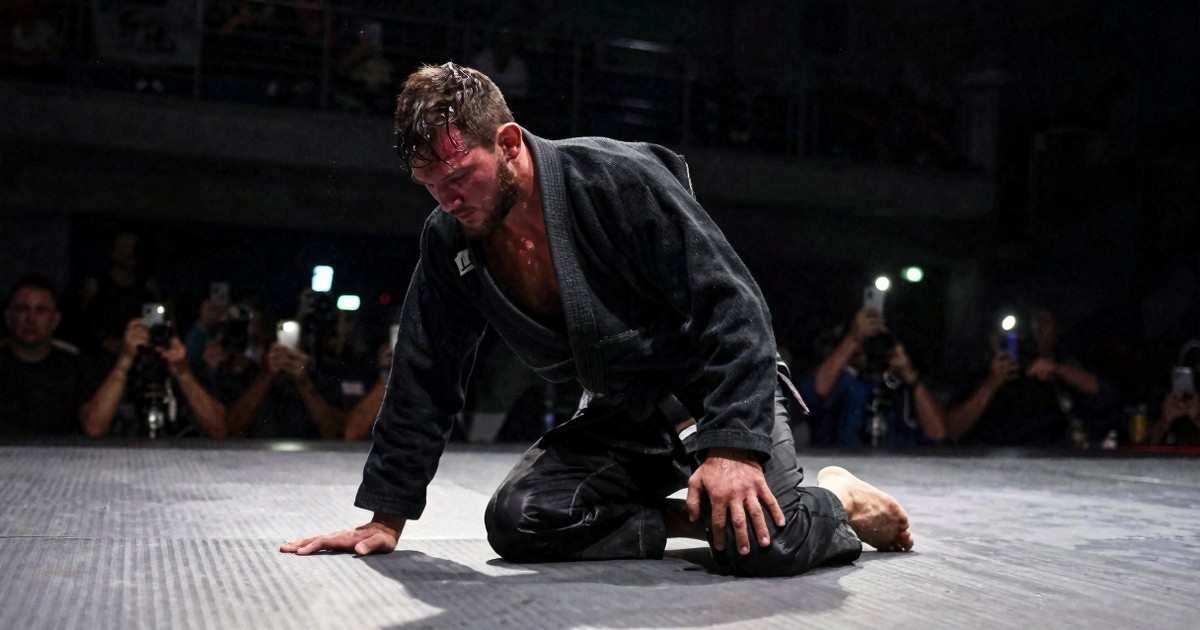
- Shoulder injury: I actually competed on this at a Grappling Industries tournament where I took gold and two bronze. I could not lift my right arm over my head. I had power in a limited range, but the reach was gone. I’m certain I would have lost every match if my opponents had known.
The point of sharing this isn't to sound tough; it's to highlight that injuries are an inevitable part of the blue belt experience. Having a goal you actually care about is what keeps you showing up to the academy even when you're not at 100%.
The Nutrition Mistake I Will Never Repeat
This is the part of my blue belt journey that still bothers me because I lost matches specifically because of what I ate. At white belt, I followed the common advice to pack a peanut butter and jelly sandwich for protein and carbs. During a match, I got taken down, swept the opponent, and got on top. However, instead of focusing on the pass, all I could think about was the peanut butter sticking to the roof of my mouth. It killed my focus and cost me the match. Do not bring a PB&J to a tournament.
By the time I reached the in-house tournament, I had switched to blocks of cheese. I would munch on a two-pound block of cheese between matches because I knew my stomach could handle it without requiring a mid-bracket bathroom break. While it worked better than the sandwich, it was still not ideal fuel. Here is how I now break down the options for tournament day:
| Option | Pros | Cons |
|---|---|---|
| PB&J Sandwich | Cheap protein/carbs | Sticks to mouth, causes dry throat, distracting |
| Block of Cheese | Easy on stomach, no bathroom risk | Very heavy, low explosive energy |
| Carb / Gel Packs | Fast absorption, easy to carry | Must test for GI distress before use |
| Energy Drinks | Quick caffeine/sugar spike | Risk of crashing, easy to over-caffeinate |
Going forward, my protocol is carb packs and energy drinks for clean, fast-acting fuel. Cheese was a survival tactic; PB&J was a mistake.
The Blue Belt Takeaway
Blue belt is where you find out whether you actually want to do jiu-jitsu or whether you just wanted a black belt. The people who quit almost always share two things: they had no clear target and they suffered an injury that took them off the mat long enough to lose momentum. Pick the next group up and go chase them. Set your target on the purple belts. That single decision is what kept me from ever feeling the blue belt blues, even through a gym change and a shoulder I could barely lift. Next up in the series is the purple belt years, and that is a very different story.
Continue the training story
Put this BJJ story in the context of the full training record
See the belt timeline, competition notes, and the videos behind the written analysis.