Unlock Your Bench Press Potential With This Game-Changing Tip
A tiny tweak in how you set up the Speediance ring clip on the bench can change the way you press. Here is the simple cue that made a real difference in my training.
Some of the biggest breakthroughs in my training haven't come from adding more weight to the bar. They've come from noticing something small that I was doing wrong on every single rep — a habit so ingrained that I didn't even realize it was a problem until someone pointed it out. The tip I'm going to share in this post falls squarely into that category. It's a tiny detail about the way I was setting up before a bench press set on my Speediance, and once I switched it, everything felt different.
I'll be honest: the source for this post is a short clip I came across recently, and the auto-captions were a bit rough. But the underlying idea stuck with me because I'd been doing the exact wrong thing for a long time. In the world of digital strength training, where we rely on Bluetooth triggers and specific hardware interfaces, these small tactile habits matter more than we think. Let me explain the concept, why it matters, and how I worked it into my own sessions.
The Tip, In Plain Language
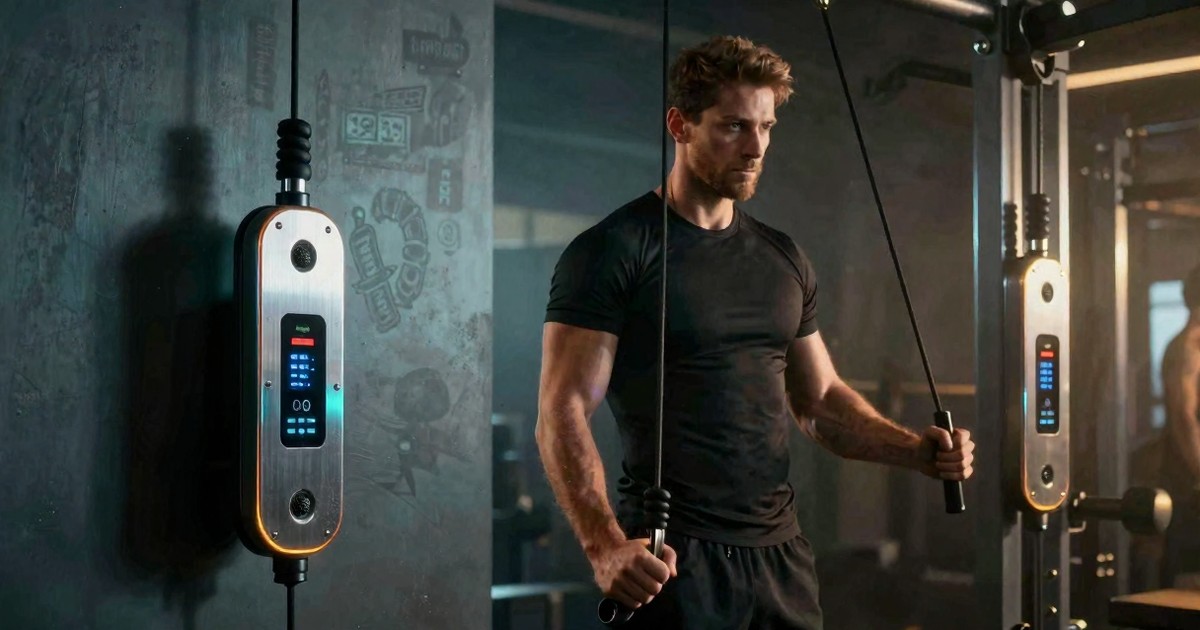
The core idea is about the ring clip — that small Bluetooth controller many of us use to start and stop the weight on the Speediance during the bench press setup. Whether you're using it to manage the cable tension or simply to ensure you can safely unrack and rack the weight, the clip has to be fastened somewhere accessible before you start pressing.
The clip is a must-have for solo lifters. If you're using one at all, you need it to be on the bar and ready to go before the cables engage. That's non-negotiable for safety and flow. But where you put your thumb during that final click changes the entire geometry of your setup.
What I Was Doing Wrong
For the longest time, my setup looked like this: I'd get the bar out, get my grip dialed in, and then fumble with the ring clip in a way that felt familiar but awkward. Specifically, I'd hold the clip out on a finger — usually my index finger — and try to click it closed with my other hand while the clip dangled loosely. It was a distracted, two-handed operation that took my mind off the lift.
It worked, technically. The clip would catch eventually, but I'd lose tension in my upper back, my shoulders would drift forward, and I'd waste the first ten or fifteen seconds of my set re-setting myself into a tight position. By the time I was actually pressing, I'd lost a chunk of the stiffness that makes a heavy bench feel manageable. In a digital gym, the moment you activate the weight, you need to be ready. Fumbling with a clip while the cables are starting to pull is a recipe for a bad set.
More importantly, I never made a clean connection with the bar through the clip. The clip was sort of hanging there, not really engaged with my grip. It felt like a chore I had to get out of the way before I could start working, rather than a part of the movement itself.
The Thumb-Outside Rotation
The tip is to flip that whole motion. Instead of trying to click the clip shut with a free hand while it's perched on a finger, you bring the clip into position, and then you press it shut using the rotation of your thumb from the outside. This keeps your palm firmly against the bar and your wrist in a neutral, strong position.
Think about it this way: the thumb is already on or near the bar as part of your grip. Instead of treating the clip like an accessory that needs a separate hand to operate, treat it like an extension of how your thumb already moves. Rotate the thumb outward, click the clip into place against the bar, and you're done. Your hand never loses contact with the knurling, and your brain never leaves the "lift" state.
The first time I tried this, the whole setup felt smoother. My hand didn't have to leave the bar, my shoulders stayed packed, and the click happened almost as a side effect of how my hand was already positioned. It was the kind of change that felt obvious in hindsight, yet it completely solved the stability issues I was having at the start of my sets.
Why This Matters for the Press
On the surface, this is a setup tip. It happens before any weight actually moves. So why does it matter? Because the bench press is won or lost before the bar ever leaves the rack position. If your setup is sloppy, your first rep tells on you. If your setup is tight, your first rep is just the beginning of a consistent, powerful set.
- It preserves upper-back tension: Every second your hand is off the bar or fumbling is a second your lats and traps are not doing their job. The thumb-outside click keeps both hands engaged throughout the entire setup process.
- It removes a mental hurdle: Fumbling wastes energy and focus. Both are finite resources on a heavy set. A clean, one-handed setup means more cognitive load is available for the actual pressing.
- It creates consistency: If your clip click is the same motion every single set, then the only thing changing between sets is the weight on the screen. That's how you actually measure progress.
- It keeps the bar path honest: When your hands stay engaged through the setup, the bar starts its journey from a position of control rather than one of recovery.
How to Practice the New Click
Like any small technique change, this one rewards a few dry reps before you load the digital weight. Here's how I worked it in. First, set up on the bench as if you were about to press. Get your feet, your back, your shoulder blades, and your grip exactly where you want them. Don't worry about the clip yet.
Second, bring the clip into position over the bar where you intend to fasten it. Hold it there with your thumb on the outside, ready to rotate. Third, rotate the thumb outward and click the clip shut against the bar. Don't move anything else. Keep the rest of your setup completely still. Finally, pause for a beat, then unrack. The clip should be secure, both hands should be on the bar, and your upper back should feel exactly as tight as it did before you touched the clip.
I ran through that sequence with zero weight for a couple of sessions before I trusted it under load. By the time I brought it into working sets, it felt automatic. It turned a point of friction into a seamless part of my lifting ritual.
The Honest Takeaway
I want to be upfront about something. The video that inspired this post was short and the captions were choppy. I'm not going to pretend I have a definitive, peer-reviewed breakdown of the exact biomechanics of a Bluetooth ring clip. What I do have is a real experience of changing one small thing in my Speediance setup and feeling a real difference in how my bench sessions went after that.
That's the kind of tip I most enjoy passing along. It's not a new program, it's not a magic supplement, and it's not a piece of expensive equipment that will change your life. It's a small, repeatable adjustment that costs nothing to try and only takes a few sessions to evaluate. In the world of fitness tech, we often get bogged down in the software, but the physical interface between the human and the machine is where the work actually happens.
If you've been fumbling with a clip before every set, give the thumb-outside rotation a real shot. Do the dry reps. Pay attention to whether your upper back stays tight. Pay attention to whether the first rep of your set looks like the last rep of your warm-up. Those are the cues that matter. Small fixes compound over time. The bench press rewards consistency above all else, and consistency starts in the setup. Anything you can do to make your setup cleaner, tighter, and more repeatable is worth a few minutes of your attention.
Keep comparing
Make the next smart-gym decision with the full picture
Move from one review into model comparisons, real lifting data, and the matching video demonstrations.