What I Replaced With the Original Speediance (And What Stayed)
A walkthrough of the home gym gear swapped for the Speediance Gym Monster and why one specific set of dumbbells earned a permanent spot.
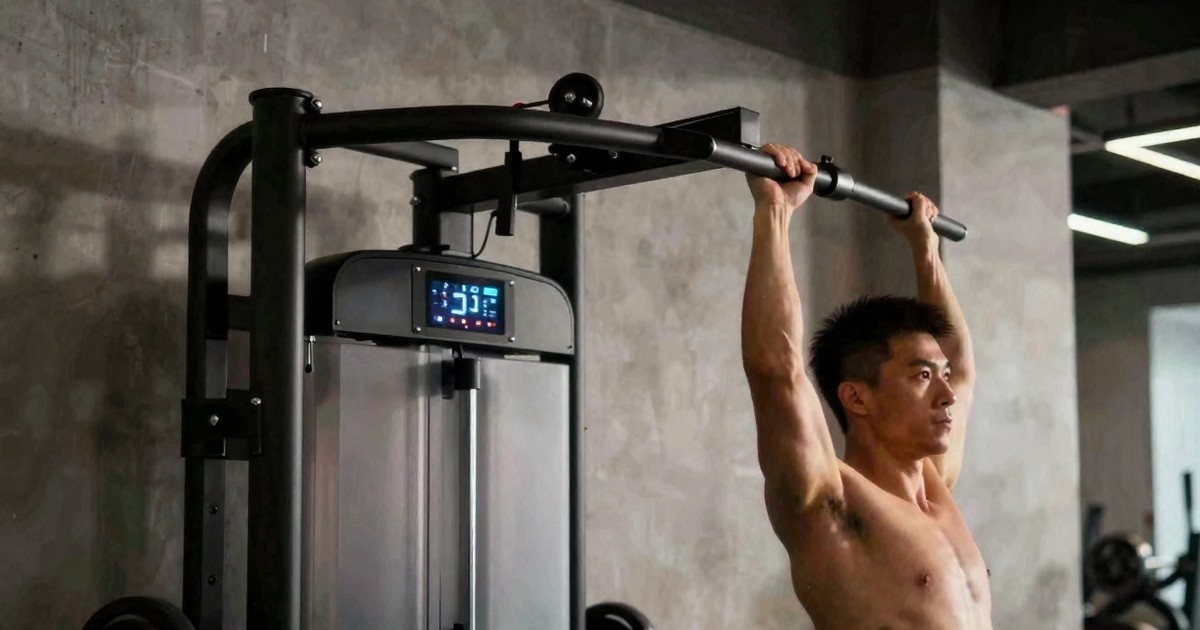
Every time a new piece of gear lands in the home gym, there's a quiet moment of triage. You look at what's already there, you look at the new box, and you decide what stays, what goes into storage, and what gets moved to the back of the rack. That's the moment I was standing in when I shot the original footage for this update—standing in front of a row of equipment with the Speediance sitting right behind it. The Speediance was doing the job of most of it. The question was just how much of the rest still earned its spot.
In the world of home fitness tech, the promise is often 'all-in-one.' But as any long-term trainee knows, 'all-in-one' usually comes with a few asterisks. Here is the honest breakdown of what got replaced, what got relegated, and what is still here in the middle of 2026.
The "New Bells" — Gone into Storage
The first things behind me in that video were the 80 lb adjustable Nuobells. For a long time, these were my daily drivers. They are widely considered some of the best adjustable dumbbells on the market—the weight range is generous, the footprint is small, and the dial-style adjustment makes it incredibly fast to change loads between sets. For anyone working in a small space who wants a traditional 'iron' feel, they are a serious piece of kit.
The problem with them is the same problem a lot of dial-adjustable dumbbells have: they don't love being dropped. Set them down hard on rubber flooring and you're probably fine; miss a re-rack after a heavy set of chest presses and you're going to have a bad time. I had already cracked a handle on a pair in the past, and the idea of babying 80 lb dumbbells after a hard set of rows just isn't realistic for how I train. Once the Speediance showed up and started handling the bulk of my dumbbell work—presses, rows, curls, lateral raises, and the whole upper body gauntlet—the Nuobells simply didn't have a job anymore. They were redundant, and in a home gym, redundancy is just another word for 'clutter.'
The Speediance — Taking Over the Routine
The Speediance didn't replace the Nuobells because it was a slightly better adjustable dumbbell. It replaced them because it isn't an adjustable dumbbell at all. It's a smart resistance machine that swaps the iron-and-knob experience for a cable-driven system controlled digitally. That sounds like a small distinction, but it changes the fundamental physics of the workout.
- The weight isn't on the floor: You're not picking up a heavy chunk of metal and putting it down between sets. The resistance lives inside the motor unit, and the handles come to you. This reduces lower back fatigue during accessory movements where you don't want it.
- Constant Tension: Unlike a dumbbell, where the difficulty of a movement changes based on the strength curve and gravity (think of how a bicep curl gets 'easy' at the top), the Speediance maintains digital tension throughout the entire range of motion.
- Eccentric Loading: This is the 'killer feature.' I can set the Speediance to pull harder on the way down than on the way up. You simply cannot do that with a standard pair of dumbbells without a spotter.
- The Footprint: Where the Nuobells needed a dedicated stand, the Speediance folds up against the wall. When I'm done, the floor is clear.
For the kind of training most home gym owners actually do—moderate loads, high volume, and variety—those four things add up to a massive upgrade. That’s why the Nuobells ended up unloaded. Their job was done by a machine that offered more data and more safety.
What Didn't Get Replaced: The PowerBlock Elite 90
Now here's the part that surprises people. Tucked away from the Speediance, still earning its keep, is my PowerBlock Elite 90 EXP set. This pair goes up to 90 lbs per hand. I didn't unload them for the video, and I don't plan on selling them. I keep them around for one specific reason: heavy carries.
The Case for Keeping Heavy Adjustable Dumbbells
There is a whole category of work the Speediance (or any cable machine) doesn't really do well, and loaded carries are the most obvious example. Pick up a heavy pair of dumbbells and walk across the floor. That's a farmer's carry, and it is one of the simplest, most honest conditioning and grip-building exercises in existence. There is no cable version of it that feels the same, because the whole point is the dead weight swinging at your sides and your core fighting to stay upright under a literal load.
For that, you want:
- Real Dead Weight: You need a handle in your hand and physical mass hanging from it. Digital resistance simulates weight, but it doesn't simulate the inertia of 180 lbs of iron wanting to pull you off balance as you walk.
- Durability: PowerBlocks are built like tanks. You can set them down hard or rack them fast, and the welded steel plates don't care. They are the 'work trucks' of the home gym.
- Grip Training: The Speediance handles are great, but they are designed to be ergonomic and smooth. Holding a 90 lb PowerBlock for sixty seconds is a test of grip strength that digital cables can't quite replicate.
Why This Isn't a Contradiction
People sometimes hear "I replaced my dumbbells with the Speediance" and assume that means every piece of iron in the house got benched. That's not how a functional home gym works. A piece of equipment doesn't need to do everything to earn its space; it just needs to do the thing it does best. The Nuobells were generalists. The Speediance is a superior generalist. The PowerBlocks, however, are specialists. They own the 'heavy and awkward' niche that cables can't touch.
The Actual Layout Now
If you were standing in my gym today, here is the streamlined reality:
- Front and Center: The Speediance, handling 90% of my lifting. From heavy squats and deadlifts to high-volume accessory work like lateral raises and face pulls.
- Off to the Side: The PowerBlock Elite 90 EXPs, used specifically for loaded carries, heavy lunges, and the occasional 'old school' grip-focused session.
- Out of Frame: The Nuobells, in storage. They are fantastic tools, but in a world where the Speediance exists, they simply don't have a unique enough job to justify the floor space.
It's a smaller gym than it was two years ago, which is the whole point. The Speediance collapsed three or four pieces of equipment into one device, and the PowerBlocks carved out a small but important niche they aren't going to lose.
The Takeaway
If you're thinking about adding a smart resistance machine like the Speediance to a setup that already has adjustable dumbbells, you don't necessarily need to liquidate your inventory. You just need to be honest about what each piece of equipment actually does for you. The gear that gets used for the broadest range of movements is the natural candidate to be replaced. The gear that owns one specific, irreplaceable job—like heavy carries—gets to keep its spot on the floor. The home gym is quieter, more efficient, and finally focused on what actually matters: the work.
Keep comparing
Make the next smart-gym decision with the full picture
Move from one review into model comparisons, real lifting data, and the matching video demonstrations.
Keep Reading
Related Posts
Speediance Ring Clip vs Bare Ring: Which Actually Works?
Speediance Partner Custom Workouts Are Finally Here: The Surprise Update That Changes Everything