Oxfit Review: Why I Vetoed This Smart Home Gym
Oxfit promises a premium smart gym experience, but a mandatory subscription and installation hurdles make it a risky bet. Here is why I decided to pass on this Tonal competitor.
Every few months, a new "smart home gym" drops into my feed promising to replace every dumbbell, cable machine, and squat rack I own. Oxfit was the latest one to chase that hype. I went in genuinely curious, hoping to find a viable alternative to the current market leaders. I came out having vetoed it. This isn't a decision I made lightly, as the hardware itself looks impressive, but the ecosystem around it raised too many red flags for my specific philosophy on fitness tech.
This isn't a hit piece. Oxfit might be the right answer for someone with a different setup, budget, or risk tolerance. But if you're standing where I was standing — eyeing a four-figure fitness rig and wondering if it'll still be useful in three years — here's my honest, slightly grumpy breakdown of why this machine didn't make the cut for my home gym.
The pitch that pulled me in
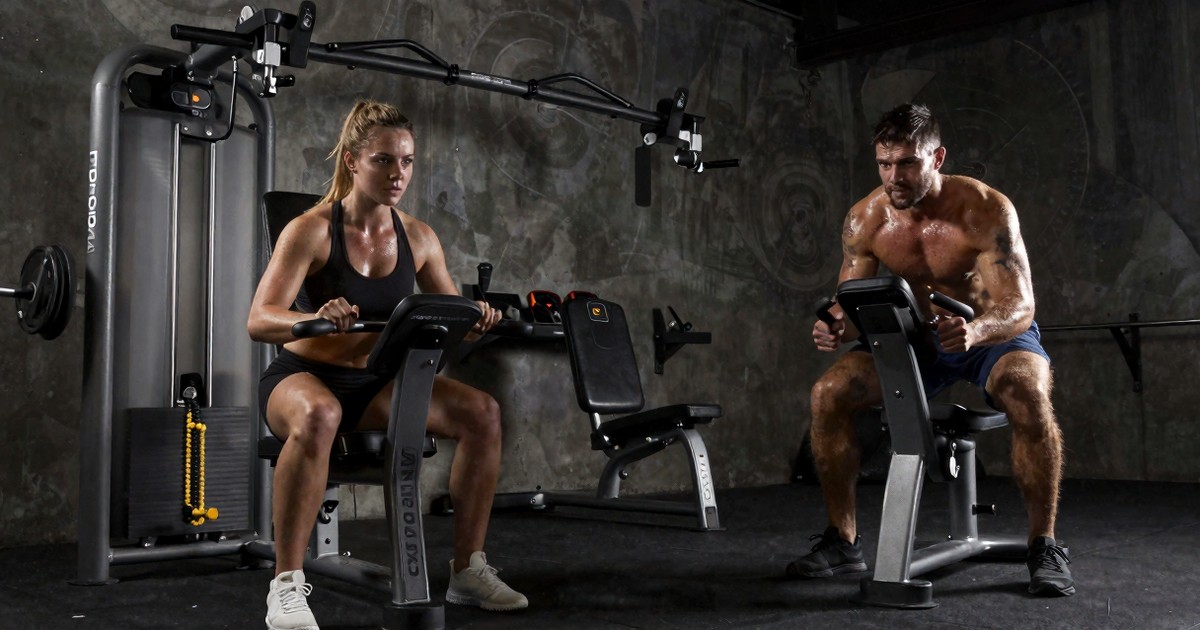
Oxfit showed up in my orbit with the usual smart-gym pitch: a sleek piece of hardware, app-driven coaching, resistance that adapts to your workout, and a footprint that doesn't require turning your garage into a commercial gym. On paper, that's a lot of boxes ticked. It claims to offer up to 250 lbs of digital resistance, which is more than enough for the vast majority of home trainees. It features a foldable bench design and a large, high-definition touchscreen that handles the coaching and data tracking. It looks like the love child of a Tonal and a Speediance—sleek, modern, and packed with sensors to monitor your form.
I'm always rooting for the underdog against the giant touchscreen bolted to your wall. I wanted to like it. I wanted to believe there was a new player in town that would disrupt the pricing models of the incumbents. But the longer I sat with the specs and the terms of service, the more it started to look like something I'd already seen before—and not in a good way.
Red flag number one: the Tonal déjà vu
My first big pause came when I dug into the business model. Oxfit runs on a mandatory subscription. You don't just buy the hardware — you buy into the ecosystem. Pay monthly, get the workouts, get the app, get the adaptive resistance. If you stop paying, the machine loses the very features that made it worth buying in the first place.
Sound familiar? It should. That's basically the Tonal playbook. Tonal pioneered the "connected strength machine with a required membership" model, and it works well for them because they have massive market share and a proven track record. But for a newer company, this is a tough pill to swallow. It means you're not really buying a piece of equipment; you're buying a long-term relationship with a company, and every relationship has a breakup clause.
I've talked about this before with other connected gear, and the question is always the same: what happens to the hardware if the software side goes away? With a regular cable machine, a dumbbell, or a kettlebell, the answer is "nothing, it'll outlive your grandkids." With a subscription-locked smart gym, the answer is "it becomes a very expensive, very heavy piece of modern art." In a world where Speediance offers a usable "freelift" mode and Vitruvian allows for basic lifting without a subscription, Oxfit’s hard-line stance feels like a step backward for the consumer.
Red flag number two: the funding and longevity question
The second thing that made me nervous was harder to put a finger on but just as real. Oxfit hasn't been around forever. The smart home gym space is brutal. We've already watched companies in adjacent categories fold, pivot, or quietly disappear, leaving customers with bricks that used to be brilliant machines. When a brand is newer and the hardware depends entirely on a live service, you have to ask the uncomfortable question: will this company still exist in two or three years?
I don't have inside information on their balance sheet. But I do know that hardware is hard, and software-as-a-service (SaaS) in the fitness space is even harder. We've seen the "brick" factor play out with brands like Flywheel. When you buy hardware that is inseparable from its software, you aren't just a customer; you're an investor in that company’s longevity. If Oxfit’s servers go dark, the "smart" resistance becomes a permanent setting—or worse, the machine locks up entirely. Right now, I don't have the confidence that Oxfit has the staying power to justify that risk.
Red flag number three: pro installation required
The third strike was the most practical one, which is usually the strike that matters most in daily life. Oxfit requires professional installation. This means scheduling a window where a crew comes into your home, drills into your infrastructure, and assembles the rig. For some, this white-glove service is a benefit. For me, it's a massive hurdle.
The install requirement feels like it's copying the trappings of Tonal without the same engineering justification. Tonal is a wall-mounted, bolt-into-studs piece of equipment that genuinely needs professional installation because it has to hold hundreds of pounds of dynamic force through a wall mount. Oxfit, however, is a floor-based unit. Requiring a pro-install for a floor unit feels like an unnecessary barrier to entry. It makes moving the machine a nightmare and complicates the lives of renters or people who move frequently. It’s a policy that favors the manufacturer’s liability over the user’s convenience.
How I'm thinking about the smart gym category now
This whole Oxfit situation pushed me to formalize my "Smart Gym Checklist." Whenever I'm evaluating connected fitness gear, I run it through these four filters:
- Does it work without the subscription? If I can't do a basic chest press without a monthly fee, I’m out.
- Does the company have a track record? I look for years of operation or significant parent company backing. If not, the hardware must be "offline-capable."
- What does "installation" actually mean? Is it structural, or is it just for show? I prefer plug-and-play whenever possible.
- What's my exit? If I need to sell this on the used market in three years, will it have any value? Subscription-heavy gear has notoriously poor resale value because the new owner has to inherit the monthly bill.
Oxfit failed three out of four of these tests. So I vetoed it.
The verdict
If you're considering Oxfit, here's where I land: it's a real product from a real company trying to innovate. The hardware might be great, and the app might be excellent. But for me, the combination of a required subscription, an uncertain funding future, and a pro install requirement is too much risk for too much money. I'd rather put that budget toward a Speediance if I want the connected experience without the wall commitment, or even a used Tonal where the ecosystem is at least proven. Until Oxfit removes the subscription gate for basic lifting or proves it can survive the next five years of market volatility, it stays on the "watching" list, not the "buying" list. Hype considered, hype mostly declined.
Choose the next view
Move from the story into the underlying training data
Explore the weekly plan, video library, and the best place to start with the site.