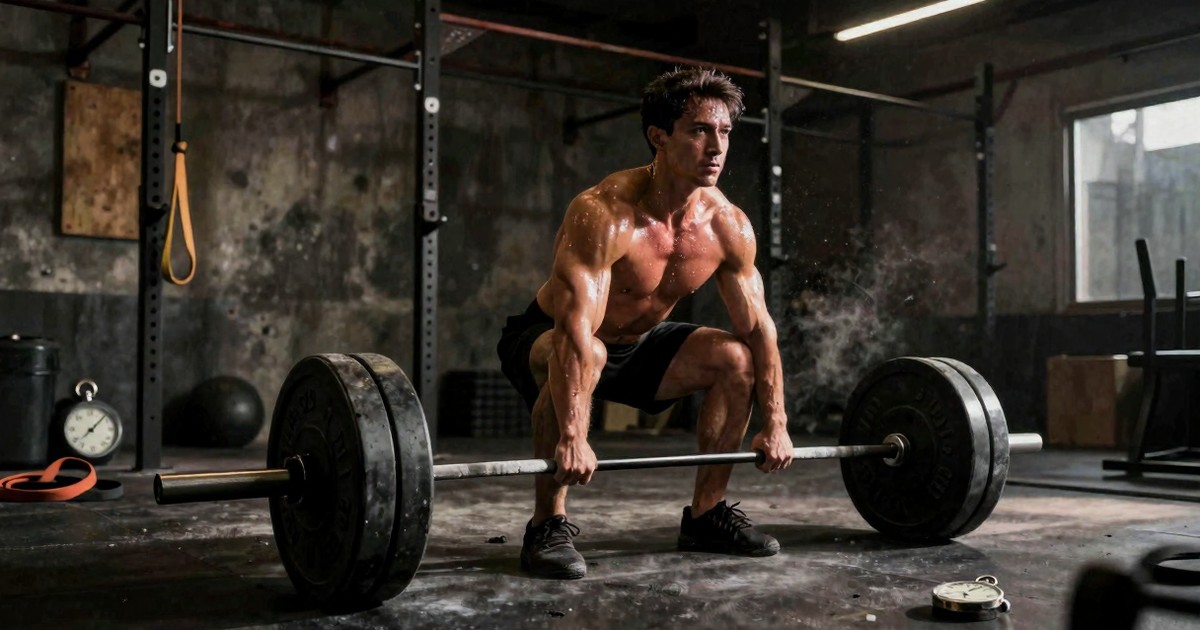
Sore Fingers After Lifting? You Might Actually Be Doing It Right
If your fingers ache after a heavy session, it might be proof you were gripping hard enough. Here's why grip soreness is often a sign of real effort, and when to pay attention.
Every now and then I get a message from someone worried that their fingers feel beat up after a heavy training session. They wrapped a deadlift, they rowed a heavy barbell, they hauled a kettlebell, and now their grip is sore, maybe a little tender in the joints, maybe a bit swollen. The first instinct is usually to assume something went wrong.
Sometimes it did. But more often than not, if your fingers are sore after lifting, you were probably doing it right. That is the quick version of my answer. Let me explain the longer version, because the nuance matters.
The bottom line up front
When I am lifting something heavy, I am gripping as hard as I possibly can. If I am not gripping as hard as I can, that probably means I am not lifting heavy enough for that particular movement to actually challenge me. That is the lens I look at it through. The hands and forearms are part of the kinetic chain. If they are not under load, the lift was not as hard as you think it was.
This is one of those simple ideas that a lot of people overcomplicate. You do not need a fancy protocol or a new tool to test it. You just need to pay attention to how your hands feel after a serious working set.
Why the fingers take a beating
The fingers are tiny. The muscles that flex them, plus the connective tissue that holds everything together, are small and exposed. They also have to transmit enormous force during pulls, carries, and any movement where the load is held in the hand. When you squeeze a barbell or a handle as hard as you can, you are asking a very small group of tissues to do a very big job.
That is why grip tends to give out before the back or the legs do on a lot of pulling movements. It is also why finger soreness is often the most honest signal of how hard a set actually was. You can cheat form on a deadlift and your lower back might forgive you for a rep or two. Your fingers will not lie. They will either crush the bar or they will not.
What "gripping hard enough" actually looks like
Most lifters undergrip. They think they are squeezing, but they are really just closing their fingers around the bar at maybe 40 or 50 percent of their available force. There is a big difference between holding a bar and crushing it.
A few cues that tell you whether you are really engaging the grip:
- Your forearms should feel like they are working hard by the end of a set, not just your fingers.
- Your knuckles should whiten slightly around the bar, or the bar should feel like it wants to bend in your hands.
- The pinky and ring finger are usually the first to fatigue, which is why hook grip and mixed grip exist.
- After a true max-effort pull, you should feel the soreness not just in the fingers but deep in the palm and the base of the thumb.
If none of that happens, you probably were not gripping hard enough. And if none of that happens across an entire training block, the load you are working with is probably not as heavy as you think it is.
The honest test of effort
This is the part I like most. Sore fingers are basically a free effort check. You do not have to film yourself. You do not have to guess whether you left enough in the tank. Your body will tell you, very specifically, whether the set actually demanded a max-effort grip.
I find this especially useful for people who train at home with smart equipment like the Speediance or any cable-based setup. It is easy to coast through a programmed workout, pick a weight that looks impressive on the screen, and never actually approach failure. The fingers are a built-in audit. If they are not sore, something in the chain was slack.
That does not mean every session needs to wreck your hands. It just means when the goal is heavy strength work, soreness in the grip is a feature, not a bug.
When sore fingers are NOT a good sign
I want to be careful here, because not all finger soreness is created equal. There is a real difference between "I crushed a heavy bar and my hands are tired" and "something is wrong."
Watch out for:
- Sharp or pinching pain in the finger joints, especially during the lift itself.
- Pain that lingers for days in a specific spot rather than a general ache across the hand.
- Numbness or tingling, which can point to nerve irritation from sustained pressure on the palm.
- Visible swelling, bruising under the nail, or a finger that locks or catches when you bend it.
General soreness that fades in a day or two is normal response to heavy gripping. Localized, sharp, or persistent pain is a signal to back off and have someone look at it. There is no amount of "toughing it out" worth trading for a torn pulley or a chronic tendon issue.
A few ways to grip harder without wrecking your hands
If you want sore fingers to be a sign of good work rather than sloppy work, a few habits help a lot.
Build grip intentionally
Most people never train the forearms directly, then wonder why their hands give out. Dead hangs, farmer carries, plate pinches, and towel pull-ups are simple and brutally effective. The grip responds to volume and consistency the same way the rest of the body does.
Rotate your grip style
Double overhand, mixed, hook, straps. They each load the fingers differently. Rotating styles spreads the stress around and lets weaker links catch up. Straps do not make you weak, by the way. They are a tool, like any other, and using them on your heaviest top sets while training grip on accessories is a sensible split.
Chalk up
If your gym allows it, chalk is one of the easiest upgrades you can make. A dry hand grips harder because friction stays high through the set. A sweaty hand lets the bar slip just enough that you subconsciously back off the squeeze.
Reset between sets
Shake the hands out, open and close the fingers a few times, and reset your grip on the next set. A few seconds of recovery here means you can actually give a max-effort squeeze every working set instead of a tired squeeze by the third rep.
The takeaway
If your fingers are sore after lifting, take a breath and ask yourself what you actually did. Did you crush a heavy bar, deadlift something real, or carry a load that forced you to hold on for dear life? If yes, your hands are sore because you did the thing. That is the whole point.
Fitness tech can measure heart rate, rep speed, load, and tempo. It can tell you a lot. But sometimes the oldest feedback loop in the room is the most reliable one. Grip hard, lift heavy, feel it in your fingers the next day. That is the loop I trust.
If something hurts in a sharp or persistent way, get it checked. If it just aches in that familiar, all-over way, congratulations. You probably went harder than you thought.
Choose the next view
Move from the story into the underlying training data
Explore the weekly plan, video library, and the best place to start with the site.
Keep Reading
Related Posts
How Many Days Should You Train Each Week? Stop Asking
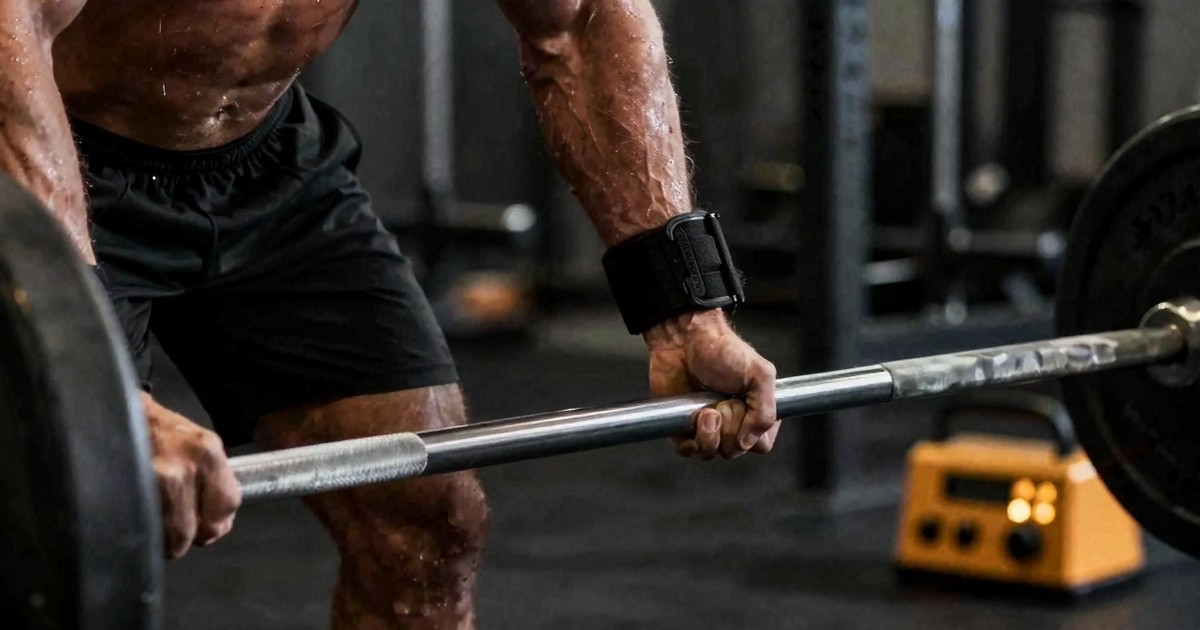
Train Around Elbow & Wrist Pain Without Losing Progressive Overload