Equipment Review

What I Actually Use

Not a sponsored list. Every piece of gear on this page has been trained on, slept with, sweated through, or criticized publicly. The good, the bugs, and the things that genuinely changed how I train.

1,296,447
lbs lifted on Speediance
3
sleep trackers (they disagree nightly)
0
paid promotions on this page
Affiliate disclosure: Some links on this page may be affiliate links. If you buy through them, I earn a small commission at no extra cost to you. This doesn't change what I say — I've publicly criticized all of the gear below at one point or another.
Not Recommended Good Great Essential

🏋️ Home Gym

Digital cable machines. Both of them. Running simultaneously in two different rooms.

Home Gym Upstairs Office

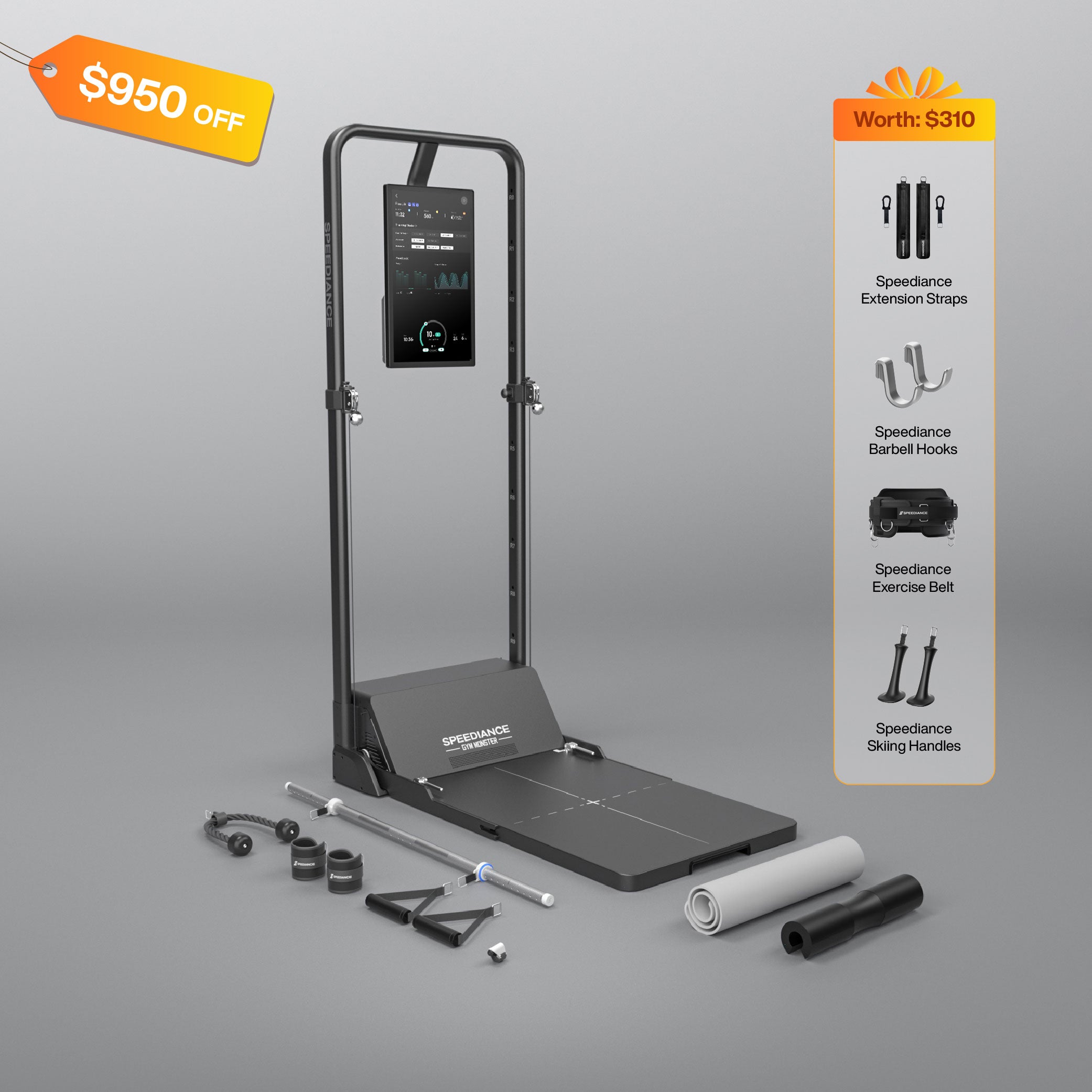
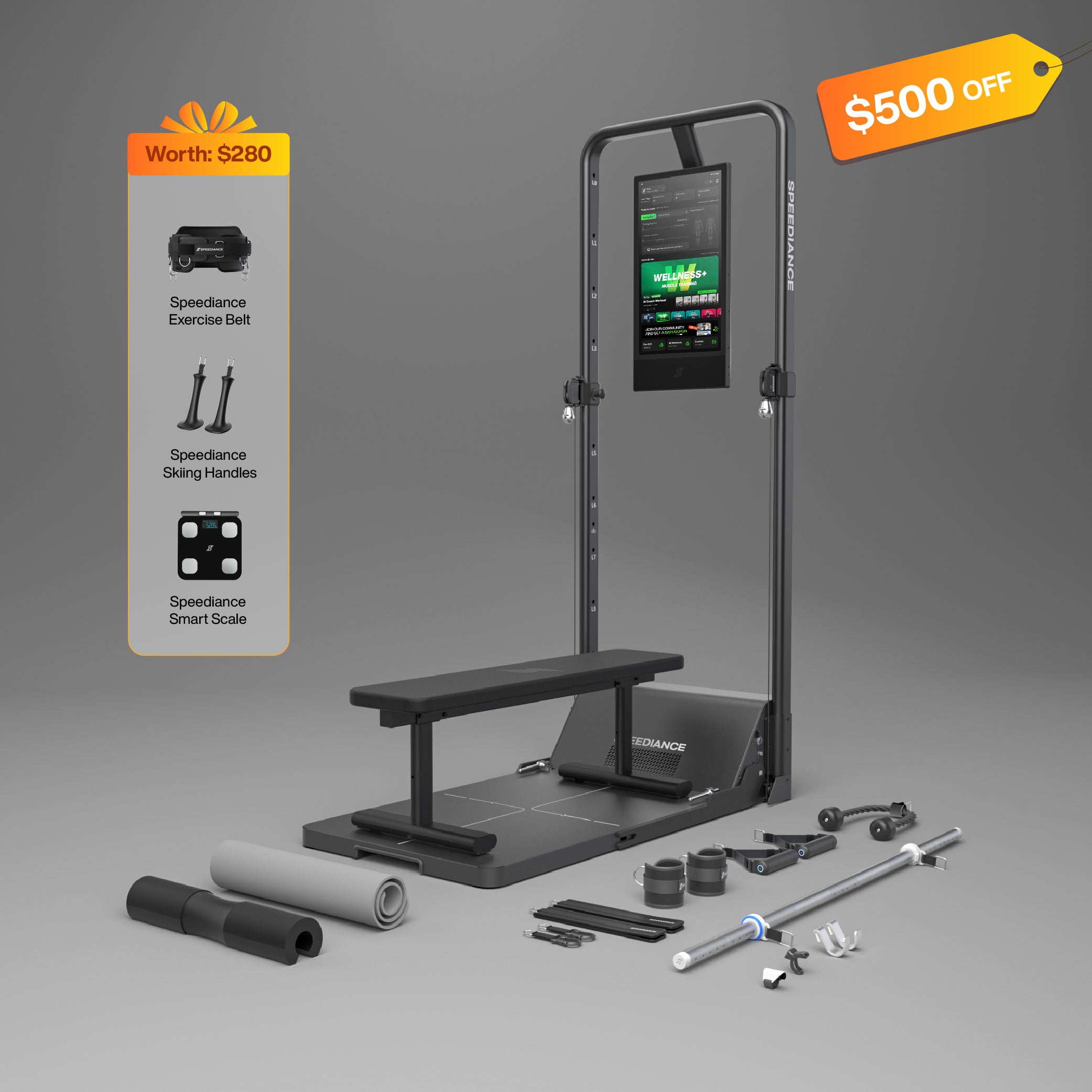
Speediance Gym Monster 2S

Great

This machine is in my upstairs office and is significantly quieter than the original — quiet enough that the air purifier on my desk is louder. I've logged 1,296,447 lbs of total volume across both Speediance machines, with my best single session at 35,305 lbs in 50 minutes. The machine tracks every rep, every pound — no estimates.

The V3.1 firmware update is where things got complicated. The new "Safety Start" feature required slowing down cable retraction across the entire machine, and the result is a cord that can visibly fold into itself when you move the rails quickly — I called it "wildly unsafe" on camera and I stand by that. I said on video I'd currently rather work out on the original downstairs machine than the 2S. That's not a sentence I expected to say about the newer, more expensive device.

What I'm still waiting for after two years: partner workouts in custom programs. Tonal had this on day one. The V3.1 version they called "revised and enhanced" is objectively worse than what was there before. If you're asking me to rank it — the machine itself is excellent, the software team is making decisions I fundamentally disagree with.

✓ The Good
  • Dead silent in standby — office-friendly
  • Every rep logged automatically
  • V3.1 fixed progressive overload prompting for bilateral movements
  • User-replaceable cables, rubber-padded safety
  • 1.2M+ lbs lifted, zero downtime
✗ The Real Criticisms
  • V3.1 retraction regression — needs a firmware fix
  • Safety Start is a Pilates workaround, not a safety feature
  • No partner mode in custom workouts after 2 years
  • No web app — pure walled garden
1,296,447
lbs lifted (both machines)
35,305
lbs best single session
🛒 Check Price on Amazon

Affiliate link available. Purchased at full price — no sponsorship relationship with Speediance.

Home Gym Downstairs Living Room

Speediance Gym Monster (Original)

Great

I bought this to replace my Tonal upstairs — and it turned out to be too loud for that. The power supply on my unit is noticeably noisy; I contacted Speediance directly and they confirmed this is within normal variance. Some units are loud, some aren't. Mine is loud. So it lives downstairs in the living room instead, where noise isn't an issue.

As of early 2026, I'd actually rather lift on this machine than the 2S. The cable retraction on the original is better than what the 2S is doing post-V3.1 firmware. It hasn't received the V3.1 update, and I'm not sure that's a bad thing. My wife uses this one regularly; it doesn't have Pilates or Safety Start, and it works exactly as it should.

✓ The Good
  • More reliable retraction than the 2S right now
  • Still used daily — no failures, no downtime
  • Great for family use (Lily Lifts videos)
✗ The Real Criticisms
  • Power supply noise varies by unit — mine is loud
  • No Pilates, no Safety Start (hardware-limited)
  • Software updates lag behind the 2S
🛒 Check Price on Amazon

Affiliate link available. Purchased at full price.

Home Gym Doorway

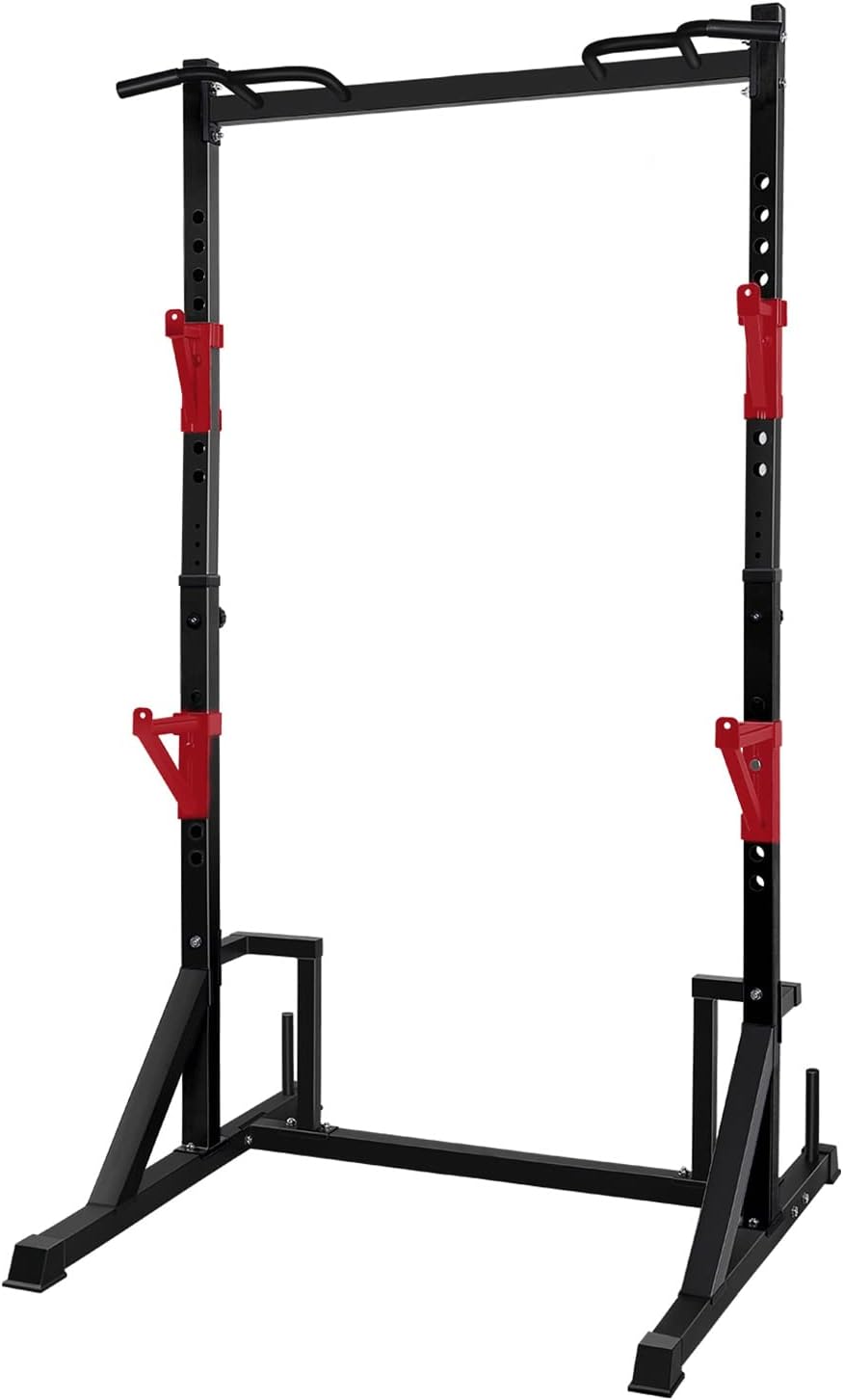
Doorway Pull-Up Bar

Great

A solid doorway pull-up bar. Does exactly what it needs to do without destroying the doorframe. Essential for getting in dead hangs and pull-ups when I'm not on the cable machines.

🛒 Check Price on Amazon

Affiliate link available. Purchased at full price.

💜 Recovery Tracking

Worn 24/7. The thing that tells me when not to push.

Recovery Worn 24/7

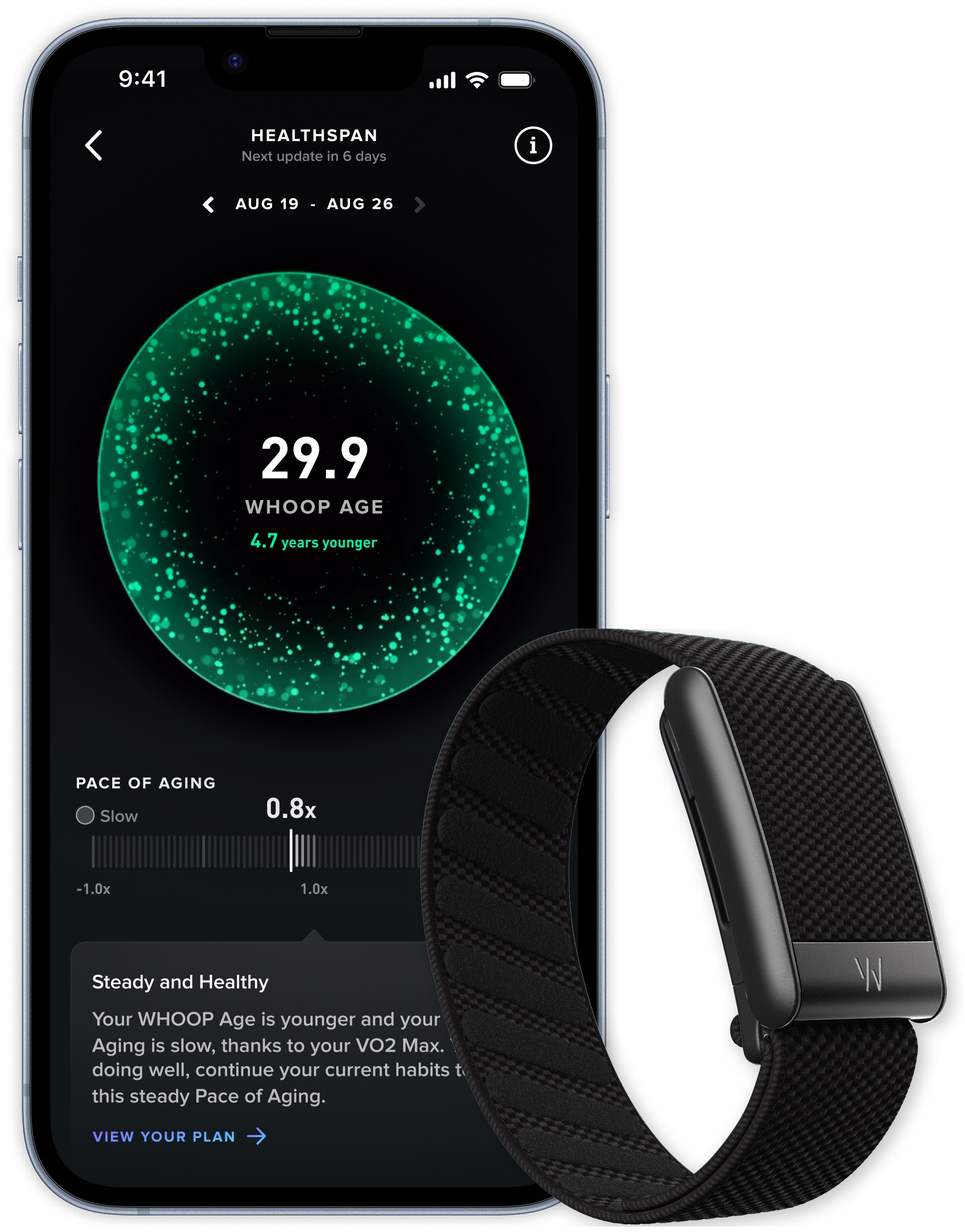
WHOOP 5.0

Essential

I wear both WHOOP and Garmin to bed every night — WHOOP is the one I actually use for recovery decisions. The daily strain score and recovery percentage feed directly into how hard I train that day. Until recently, my Speediance workouts weren't writing to Apple Health, which meant WHOOP was dramatically undercounting my strain. Once that integration got fixed, my strain scores jumped from near-zero to 10+ for strength sessions. My values were "majorly off" for months.

The WHOOP web app has gotten "worse and worse and worse." It used to be a meaningful data analysis tool — now it's not. I built my own OpenClaw-based fitness reporting system partly because WHOOP's own platform couldn't give me what I needed.

On the WHOOP 5 specifically: I'm staying on WHOOP 5.0 for now. WHOOP markets the 5 as "smaller" — it's not. They made it narrower (doesn't matter) and shorter (doesn't matter), while making it thicker (the only dimension that actually affects comfort). It is now the same height off the wrist as my Garmin Forerunner with a screen. None of the old WHOOP 4 bands fit it, which "feels intentional." I taped a spacer into the old band housing to make it work. That's not a user experience I'm rewarding with an upgrade.

✓ The Good
  • Recovery score + HRV is the foundation of my training decisions
  • Works during BJJ without a chest strap
  • Improved battery life on WHOOP 5 (staying on 4.0 for now)
✗ The Real Criticisms
  • Web app has deteriorated significantly
  • WHOOP 5 "smaller" claim is deliberately misleading
  • Old bands won't fit WHOOP 5 — unnecessary break
  • Strain scores require Apple Health integration or they're wrong
🛒 Check Price on Amazon

Affiliate link available. Purchased at full price.

🏃 Activity Tracking

111 runs logged. 265.1 miles. One watch.

Activity Running + Sleep

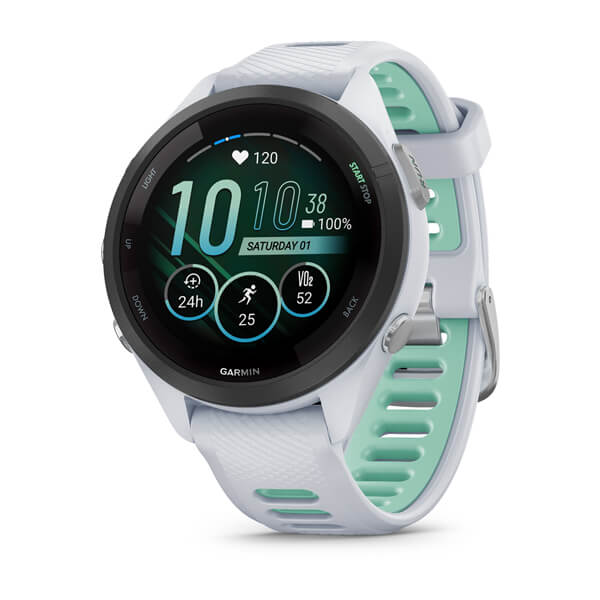
Garmin Forerunner 265S

Essential

I chose the 265S specifically because it's the lightest Garmin I could get away with, and I sleep with it every night for the daily suggested workouts feature. The reasoning was simple: if I'm wearing this to bed, it needs to be as small and light as possible — which meant passing on the bigger Fenix and 945 I already own. Both of those still work, by the way. Garmin device longevity is unmatched.

I have all smartwatch features turned off. No notifications. No stand reminders. No app integrations. I use it for running and to catch any situation where the body battery reads near zero before a suggested workout — that's the one data point I actually check before deciding to skip. I don't use Garmin's sleep tracking either; that job belongs to WHOOP and 8Sleep.

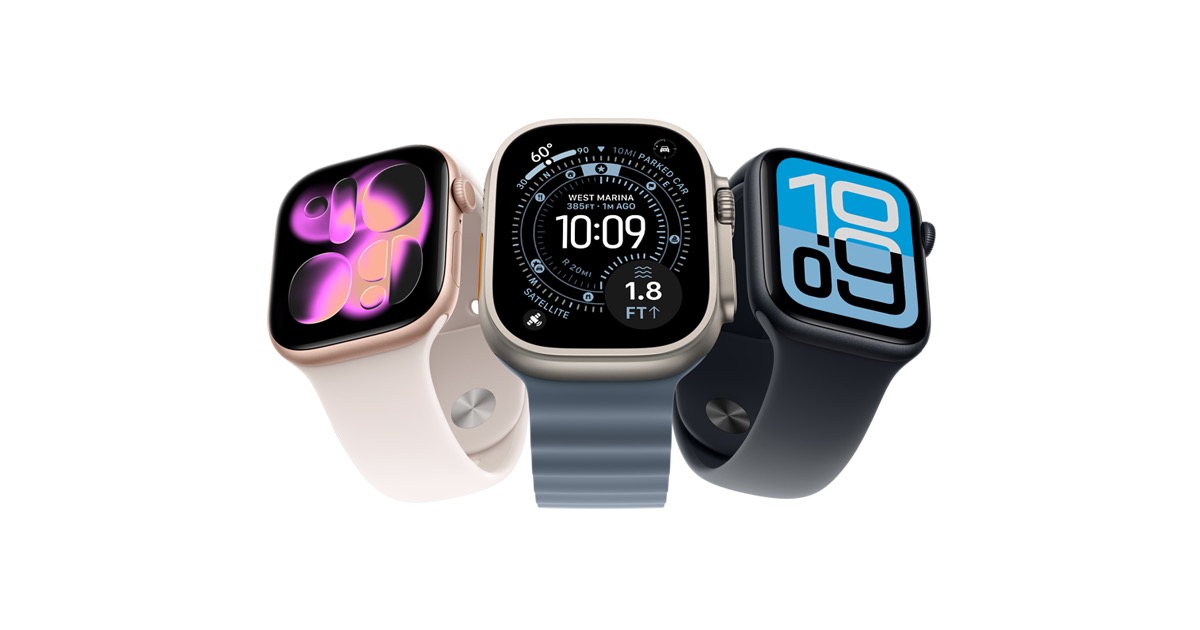
I've had Apple Watch (gen 1 and 2 — "absolutely despised it," crashed regularly, notifications reset after every update). Garmin is the opposite: reliable, durable, and stays out of the way unless you need it.

✓ The Good
  • Light enough to actually sleep with it on
  • Device longevity — my Phoenix from years ago still works
  • No notification nagging (if you turn it off, it stays off)
  • Daily suggested workout feature is useful
  • 265S is relatively affordable for the feature set
✗ The Real Criticisms
  • Body battery metric is questionable for strength training
  • Health Snapshot feature was still "calibrating" weeks after setup
  • Naming structure is brutal (945 vs 265S vs Fenix...)
  • Maps/navigation I'll never use on this form factor
265.1 mi
total miles logged
111
runs tracked
🛒 Check Price on Amazon

Affiliate link available. Purchased at full price.

😴 Sleep Tech

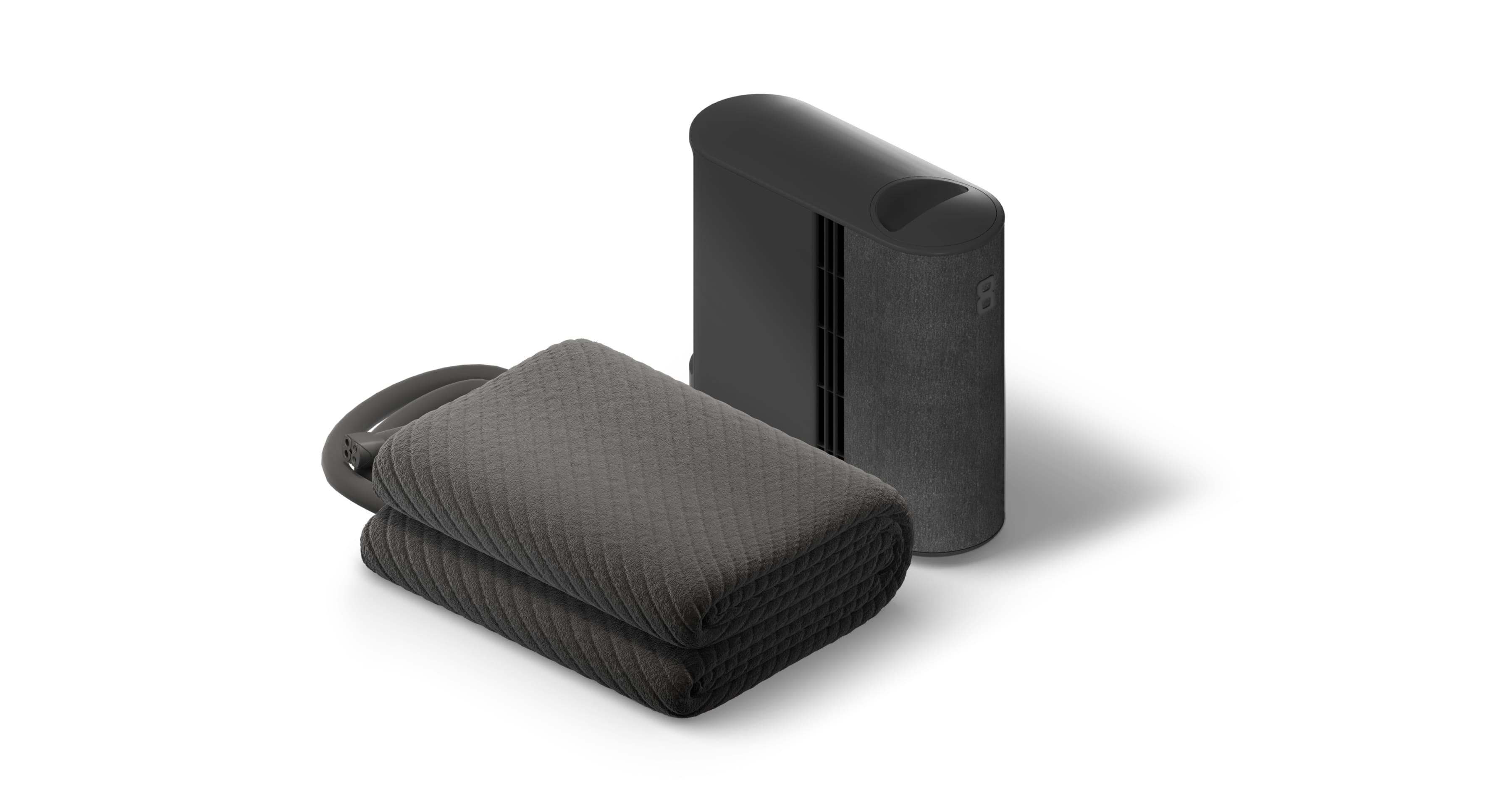
Three sleep trackers. They disagree every night. That's actually the point.

Sleep Temperature + Tracking

8Sleep Pod

Good

I have WHOOP, Garmin, and 8Sleep all tracking my sleep simultaneously — and they "don't say the same thing every night." That's not a knock on any individual device; that's exactly why I built the OpenClaw correlation system. All three give me different readings, and the point is to triangulate reality, not trust any single source.

I don't talk about 8Sleep much because I'm not actively using it the way it's marketed. I don't obsess over its tracking interface. What I'm focused on is getting its data into the same correlation graph as WHOOP and Garmin — which required me to write a custom OpenClaw connector, since 8Sleep doesn't have an official API (though others have reverse-engineered one). When I came back from vacation, the 8Sleep data was just missing from my fitness report. "It's just broken and that's because I was away." That's an accurate description of how it behaves.

✓ The Good
  • Temperature control is the main value — actually useful
  • One more data point in the sleep correlation stack
  • Reverse-engineered API exists (community built it)
✗ The Real Criticisms
  • No official API — requires community workarounds
  • Breaks when you travel (data just goes missing)
  • Sleep scoring diverges from WHOOP/Garmin significantly
  • Expensive for what is mostly temperature regulation
🛒 Check Price on Amazon

Affiliate link available. Purchased at full price.

🥗 Nutrition Logging

Calorie tracking as a data problem. Not a lifestyle brand.

Nutrition App — iOS/Android

Cronometer

Great

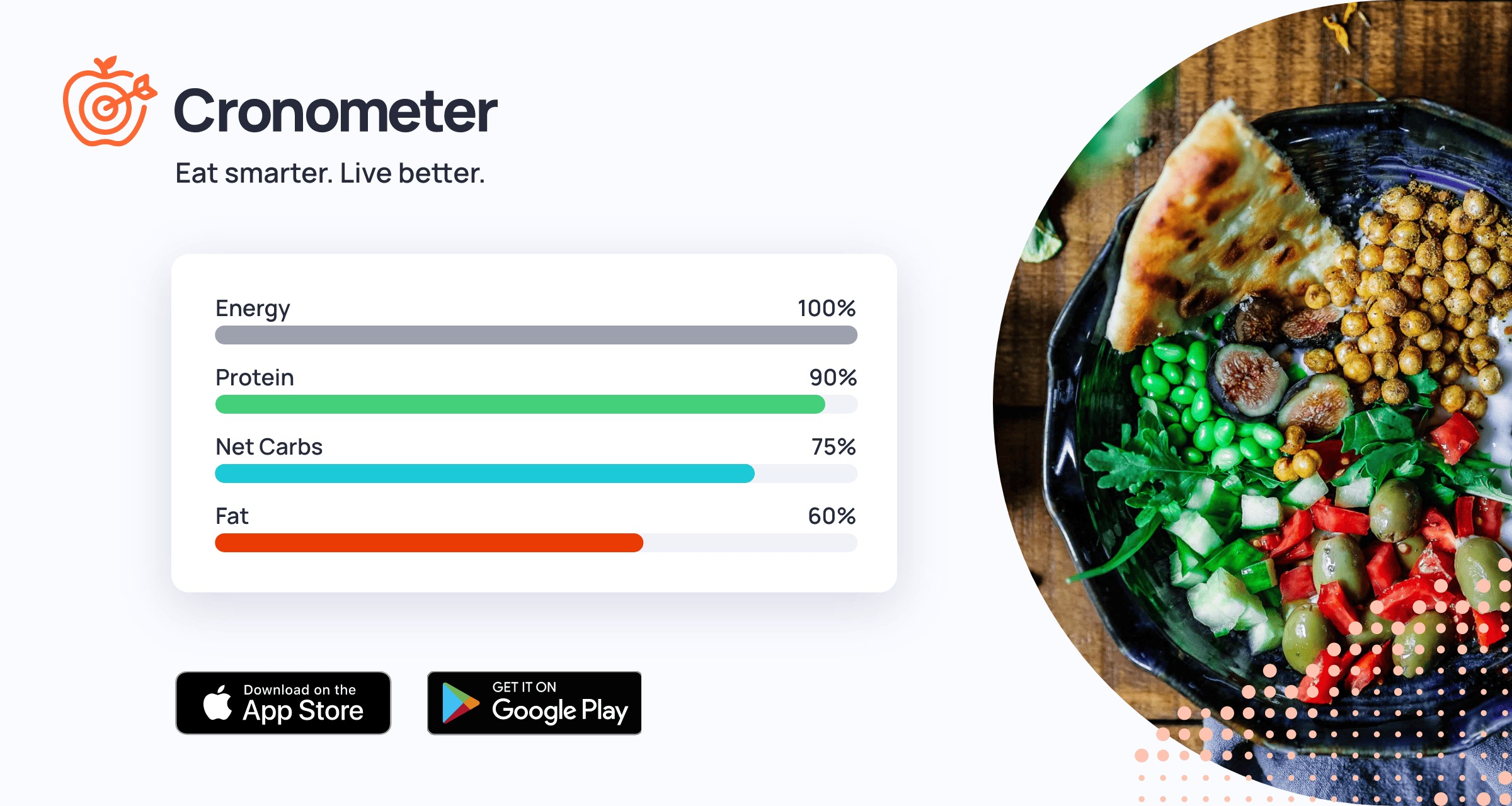
Cronometer has been my primary calorie and nutrition tracking app. It feeds into my OpenClaw connector stack alongside Garmin, WHOOP, Speediance, and 8Sleep — so the nutrition data shows up in the same morning fitness report that tells me how hard to train.

I briefly tested Snap (camera-based food logging) and liked the concept, but their API doesn't expose your own data for export. Cronometer does. Data portability is non-negotiable for me — I'm not going to spend months logging food into an app I can't get the data out of. That's the same reason I built my own connectors instead of relying on walled garden dashboards.

I'm still deciding long-term whether Cronometer, Snap, or a custom app wins. As of early 2026, Cronometer is the daily driver.

✓ The Good
  • Data export — your logs are actually yours
  • API access for integration into custom systems
  • Micronutrient detail beats most competitors
✗ Honest Notes
  • Manual logging is friction — camera-based apps are faster
  • Under evaluation; may switch if something better comes along

No affiliate relationship with Cronometer. Free/paid tiers available.

🤖 AI & Tech

The thing I thought I'd hate that turned out to be genuinely revolutionary.

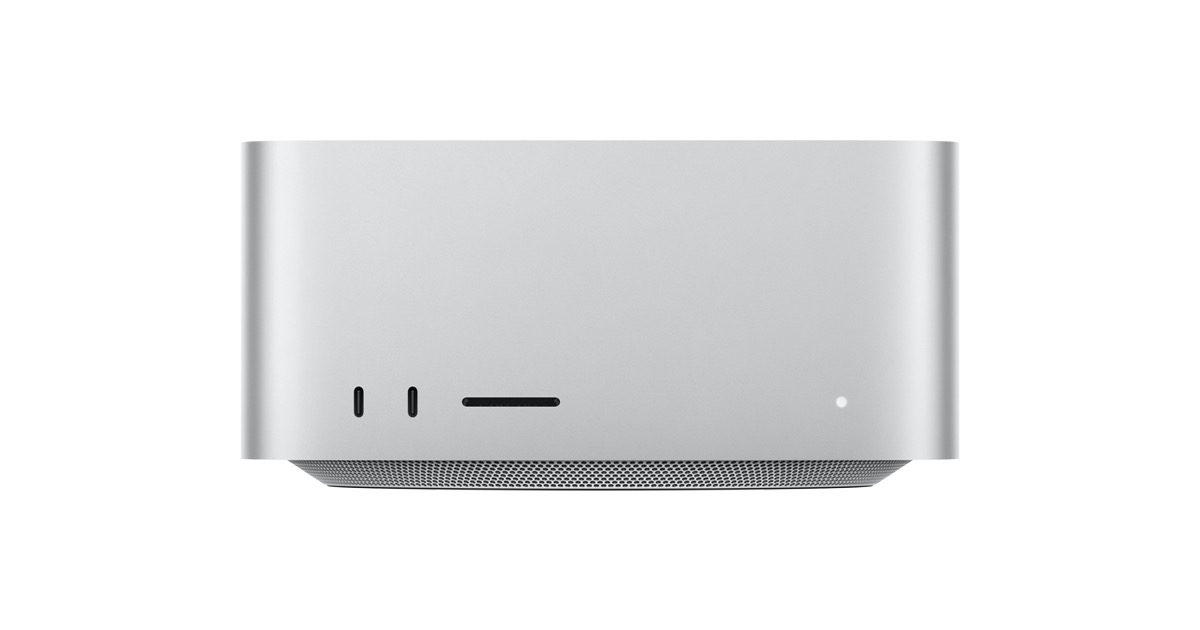
AI M1 Mac Mini · Self-hosted

OpenClaw on M1 Mac Mini

Essential

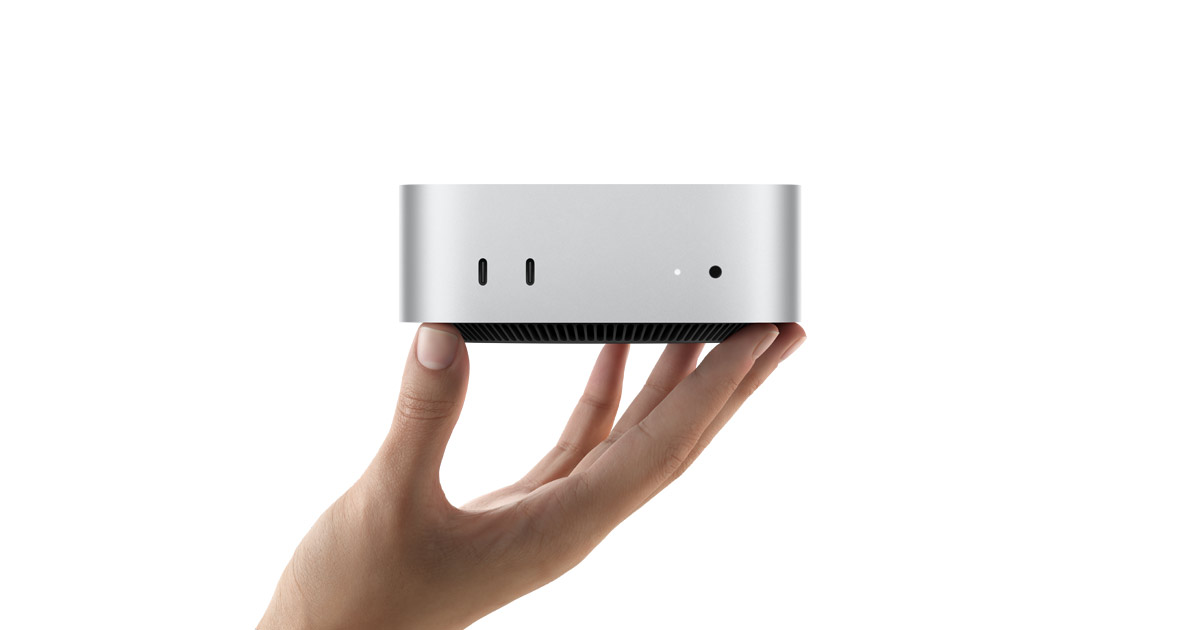
I first ran OpenClaw on an AMD Windows PC inside a virtual machine. "Hot garbage" is how I described it on stream. "An abysmal waste of time." Then I moved it to my M1 Mac Mini — the same machine that was sitting there collecting dust — and it worked right out of the gate. I was blown away. The Mac Mini is the hardware call, not a preference.

The use case is specific: I have Garmin, WHOOP, 8Sleep, Speediance, and Cronometer all generating data independently, with no native way to correlate any of it. The Speediance has no web app. WHOOP's web app has degraded. These devices are walled gardens. I gave OpenClaw what I wanted — six custom connectors — and it built them. Every morning it runs a sync, generates a fitness report, and tells me how hard to train. That's the actual use case.

"I think OpenClaw is as revolutionary as the internet was." That's a big claim. I made it after a week of use. I stand by it. When it's running on Claude Opus it can do anything — including patching its own bugs in the core software. The token cost on Opus is brutal though. My daily driver now uses Minimax M2.5 at $10/month with free LLM providers for parallel tasks.

✓ The Good
  • Breaks data out of fitness walled gardens
  • Custom connectors to all major fitness APIs
  • Morning readiness report synthesizes all data sources
  • $10/month Minimax plan + free providers is surprisingly capable
  • On Opus 4.6 it can patch its own source code
✗ The Real Criticisms
  • Windows/Raspberry Pi setup is genuinely awful — don't do it
  • Opus token burn is unsustainable for daily use
  • Free LLM providers (Google, Nvidia) make catastrophic mistakes occasionally
  • Google model deleted its own soul.md once. Don't ask.
  • Setup/maintenance requires technical comfort
Current Stack
M1 Mac Mini (dedicated)Minimax M2.5 ($10/mo)Nvidia Kimmy K2.5 (free)Claude Opus 4.6 (on demand)Ollama Qwen3 (local)6 fitness connectors

No commercial relationship with Anthropic or OpenClaw. This is how I actually use it.

🗑️ What I Replaced

Gear that didn't survive. Context matters.

Tonal Replaced by Speediance

Forced membership fee model was the dealbreaker. No web app, no data export. Cardio-focused progressive overload wasn't what I needed. The Speediance isn't perfect but at least it doesn't lock you out of your own data behind a subscription wall.

Apple Watch (Gen 1 & 2) Replaced by Garmin

"Absolutely despised it." Crashing issues on both generations, notification settings reset after every update, and the stand reminders were exactly the kind of nagging I never want from a device. Binned it and never went back.

See it in action

I document every piece of gear on YouTube. Firmware reviews, real workouts, honest bugs, and the data behind the training decisions.